
End of Tenancy Cleaning Myths: 10 Things Tenants Get Wrong About Check-Out Cleaning
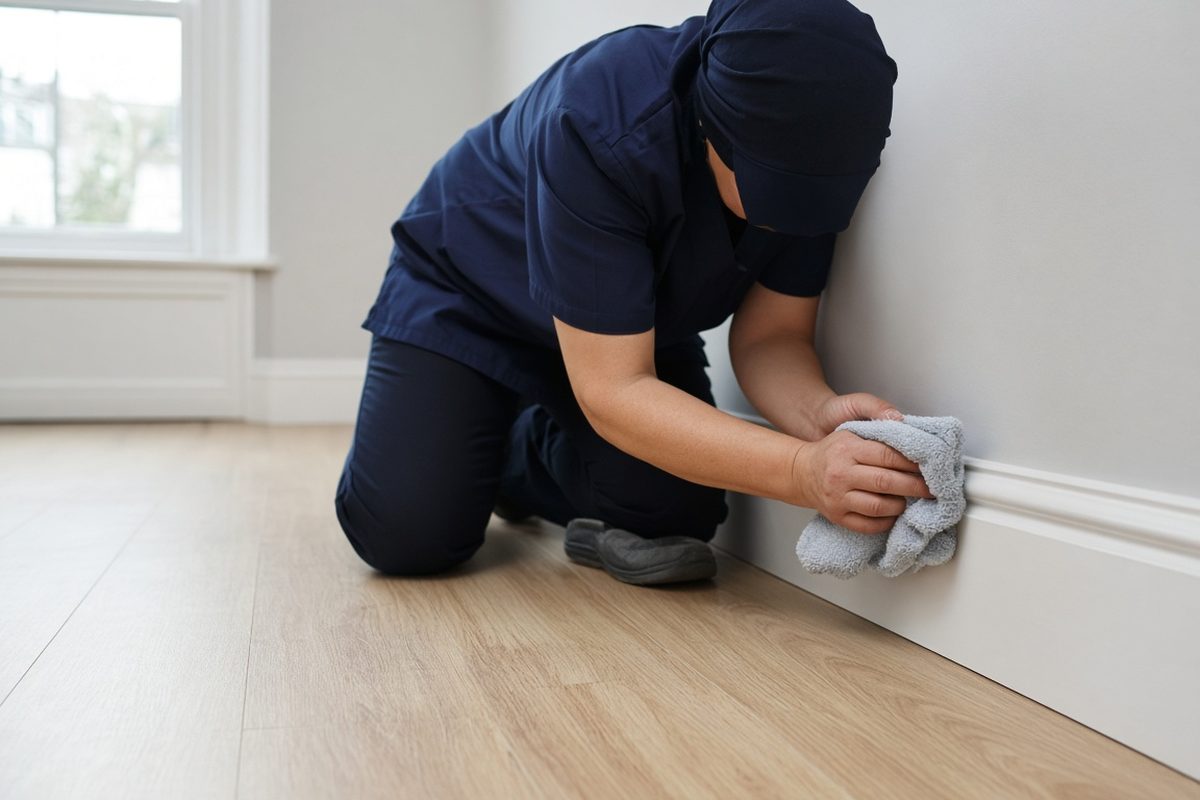
End of tenancy cleaning is surrounded by half-truths. Some tenants believe a professional cleaning receipt guarantees their deposit; others think they never have to clean because "the landlord will do it anyway". Some landlords believe they can insist on a particular cleaning company. This guide goes through ten common myths, explains what is actually true in England, and points to the official guidance where it matters.
Myth 1: My Landlord Can Make Me Pay for a Professional Clean
Mostly false. Since the Tenant Fees Act 2019 came into force, landlords and agents in England cannot charge tenants for a professional clean as a condition of the tenancy, or require them to use a particular cleaning company. A tenancy clause that says "the tenant must pay for a professional clean at the end of the tenancy" is usually not enforceable.
What landlords can do is require you to return the property in the same condition of cleanliness as at the start, allowing for fair wear and tear. If you do not, they can claim a reasonable cost from the deposit to put it right.
The GOV.UK Tenant Fees Act guidance explains this in detail.
Myth 2: A Cleaning Receipt Guarantees My Deposit
False. A receipt from a professional cleaning company is useful evidence, but it does not guarantee anything. What matters is the condition of the property at check-out compared with the check-in report. If the clean missed the oven or the carpets are stained, the receipt will not help.
Deposits can also be reduced for damage, missing items, unpaid rent and rubbish left behind, none of which a cleaning receipt covers.
Myth 3: The Property Has to Be Cleaner Than When I Moved In
False. You only have to return it to the same standard as at the start, allowing for fair wear and tear. If the check-in report describes the property as "domestically clean", you do not have to return it "professionally cleaned".
That is why the check-in report matters so much. Read it carefully at the start of your tenancy, and add notes with photos if anything is wrong.
Myth 4: Fair Wear and Tear Covers Dirt
False. Fair wear and tear is the normal deterioration of a property through ordinary use, such as flattened carpet in a walkway or faded curtains. Dirt, grease, limescale and stains that can be cleaned are not wear and tear. Our guide to tenant rights and cleaning deductions explains where the line usually falls.
Myth 5: A Quick Clean the Night Before Will Do
Usually false. A quick clean might work for a small, well-kept flat after a short tenancy. But most properties need a thorough clean: inside cupboards, the oven, behind appliances, window tracks, skirting boards. These take time.
If you are doing it yourself, start several days before. Our DIY end of tenancy cleaning guide has a room-by-room plan.
Myth 6: Bleach Cleans Everything
False, and risky. Bleach whitens and disinfects, but it does not remove grease or limescale, and it can damage many surfaces. It discolours carpets, fabrics and some worktops, corrodes stainless steel over time and can strip coloured grout.
Never mix bleach with other cleaners, especially acidic limescale removers or ammonia, because the fumes are dangerous. See our guide to safe cleaning products for homes with children and pets.
Myth 7: Carpets Only Need Vacuuming
It depends. If the check-in report says the carpets were professionally cleaned, and your tenancy agreement asks you to return them in the same condition, vacuuming may not be enough. If the carpets were simply "clean" at the start and you have kept them clean, a thorough vacuum may be fine.
Stains and ground-in dirt usually need hot water extraction. Our guide to carpet stains: clean or replace helps you decide.
Myth 8: The Landlord Always Cleans Between Tenants Anyway
Partly true, but irrelevant. Many landlords do clean between tenancies, but that does not mean they cannot claim for cleaning you should have done. If the property was clean at check-in and dirty at check-out, the landlord can claim a reasonable cost to restore it, whether or not they would have cleaned anyway.
Myth 9: Cleaning Companies Can Fix Everything
False. A good clean removes dirt, grease, limescale and many stains. It cannot fix damage: burns on worktops, bleach marks on carpets, chipped paint, broken tiles or black spotting that has grown into sealant.
A good cleaning company will tell you honestly what is cleaning and what is repair, before the check-out.
Myth 10: If the Agent Says It Is Dirty, I Have to Pay
False. If you disagree with a cleaning deduction, you can challenge it. Your deposit must be protected in a government-approved scheme, and each scheme has a free, independent dispute service. The landlord has to show evidence, usually the check-in and check-out reports and photos.
Our guide to deposit disputes over cleaning explains the process, and Citizens Advice has free guidance.
Myth 11: You Can Leave Furniture Behind if It Is Clean
Usually false. Unless your landlord has agreed in writing that you can leave an item, anything you leave behind may be treated as rubbish to clear, and the cost of clearance can be deducted. That includes furniture you bought, rugs, garden items and things in the loft or shed. If you want to leave something for the next tenant, ask the landlord or agent first and keep their agreement in writing.
Myth 12: Professional Cleaners Use Special Chemicals You Cannot Buy
Partly false. Professionals do use some products that are not sold in supermarkets, such as oven dip-tank solutions and stronger descalers, and machines such as hot water extraction carpet cleaners. But most of the difference comes from experience, the right tools and time: knowing which product suits which surface, working top to bottom, and not missing the places clerks check. Our guide to professional cleaning equipment explains what the tools actually do.
Myth 13: Cleaning Deductions Are Always a Fixed Fee
False. There is no standard fee. A landlord can only claim a reasonable amount for the cleaning actually needed, based on the difference between check-in and check-out. A charge for "full professional clean" when only the oven and one bathroom needed work may be challenged. Ask for an itemised breakdown and the evidence behind it.
Myth 14: The Check-Out Report Is Final
False. The check-out report is the agent's or clerk's view of the property. It is evidence, not a decision. If you think it is wrong, write to the agent with your own photos and explain why. If you cannot agree, the deposit scheme's dispute service will look at both sides. Our guide to the check-out report explains how to read one.
What Is Actually True
The facts that matter most are simple:
- You must return the property in the same condition of cleanliness as at the start, allowing for fair wear and tear
- The check-in report sets the standard
- You can clean it yourself or use anyone you like
- The landlord can only charge a reasonable cost, backed by evidence
- You can dispute deductions through the deposit scheme
How to Use This at Check-Out
- Read your check-in report and compare it with the property
- Clean to that standard, focusing on the kitchen, oven, bathrooms and carpets
- Take dated photos of every room after cleaning
- Keep receipts for any professional cleaning
- Attend the check-out if you can
- Challenge any deduction you think is unfair
Frequently Asked Questions
Can my tenancy agreement require a professional clean?
In England, a clause requiring you to pay for a professional clean is usually banned under the Tenant Fees Act. A clause requiring you to return the property to the same standard of cleanliness is allowed.
Does a professional clean protect me better than a DIY clean?
Only if it is done to the right standard. A thorough DIY clean can be just as good. A professional clean saves time and gives you an invoice and photos as evidence.
Can the landlord charge for a full professional clean if only the oven is dirty?
Charges should be proportionate. If only the oven is dirty, a charge for cleaning the whole property is usually not justified.
How long do I have to dispute a deduction?
Contact your deposit scheme as soon as possible. Time limits vary by scheme, so check theirs.
Does this apply outside England?
The Tenant Fees Act applies in England. Wales and Scotland have their own rules.