
Deposit Disputes Over Cleaning: How to Resolve a Disagreement With Your Landlord
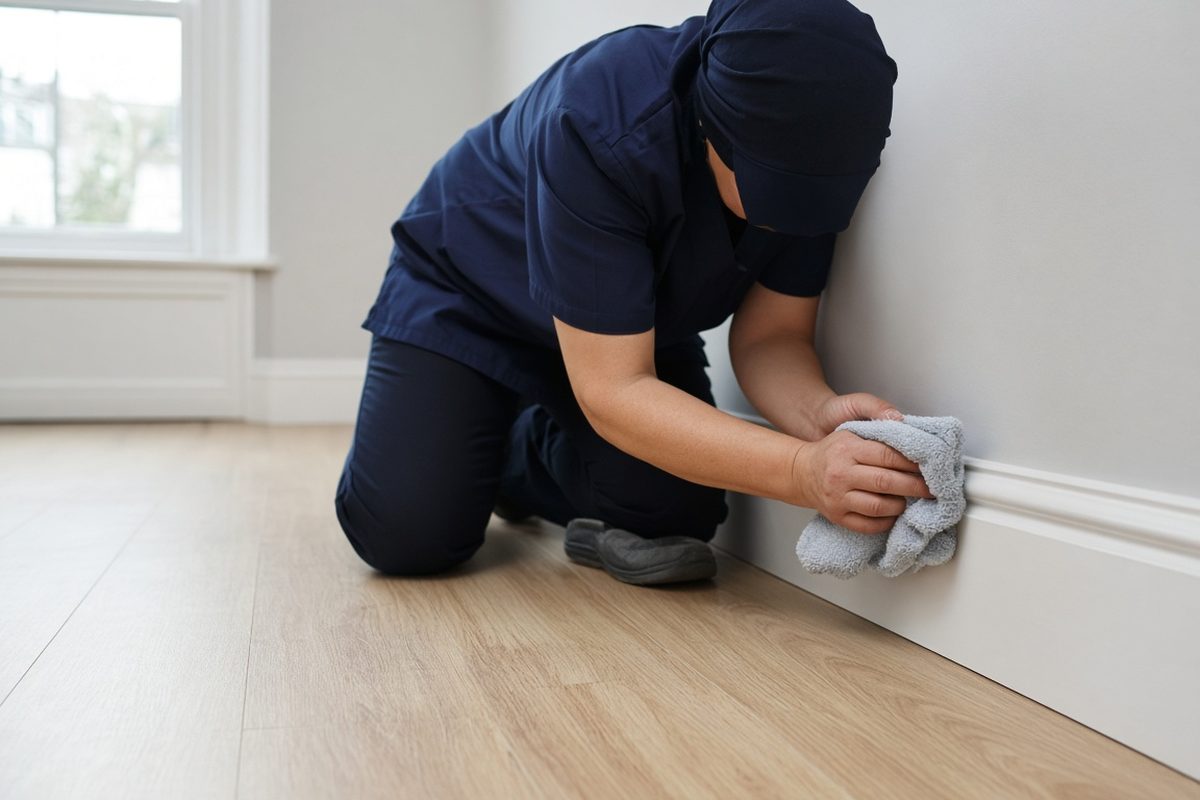
Cleaning is the most common reason for deposit disputes in England. A landlord or agent proposes a deduction for cleaning, the tenant disagrees, and the two sides cannot reach an agreement. The good news is that every protected deposit comes with access to a free dispute resolution service run by the deposit protection scheme. This guide explains how a cleaning dispute works from start to finish, what evidence matters, and how to give yourself the best chance of a fair outcome, whether you are a tenant or a landlord.
The Starting Point
In England, landlords who take a deposit on a private assured tenancy (since 1 May 2026, most are assured periodic tenancies) must protect it in a government-approved scheme within 30 days. At the end of the tenancy, the landlord and tenant should agree how much of the deposit is returned. If they agree, the money is paid out. If they do not, either side can usually ask the scheme to decide through its alternative dispute resolution (ADR) service.
There are three government-approved schemes:
The GOV.UK guidance explains your rights. Our guide to tenancy deposit schemes explained covers how each scheme works.
Step 1: The Proposed Deduction
After the check-out, the landlord or agent should tell you if they want to make deductions. A good proposal will include:
- An itemised list of deductions
- The reason for each one, such as "oven not cleaned"
- The amount for each item
- Evidence: the check-in and check-out reports, photos and invoices or quotes
If you receive a single lump sum for "cleaning" with no breakdown, ask for one. You have a right to understand what you are being charged for.
Step 2: Check the Evidence
Before you respond, compare the check-in and check-out evidence item by item:
- Was the item clean at check-in? If the check-in report says the oven was "dirty" or does not mention it, a claim for cleaning it is weak.
- Is the difference real? Do the photos actually show dirt, or just wear?
- Is it wear and tear? Flattened carpets, faded paint and greyed grout after a long tenancy are not cleaning issues.
- Is the cost reasonable? Does the charge match the work needed? Is it backed by an invoice?
- Is it proportionate? A full professional clean for a few missed items is unlikely to be reasonable.
Our guide to the inventory check-out report explains how to read the reports.
Step 3: Gather Your Own Evidence
Collect everything that supports your position:
- Your photos and videos from moving in and moving out, with dates
- Your copy of the check-in inventory, with any comments you sent
- Receipts for any professional cleaning, including the checklist
- Messages with the landlord or agent about the property's condition
- Any re-clean report from your cleaner
Dated photos are often the most persuasive evidence a tenant can provide.
Step 4: Try to Resolve It Directly
Write to the landlord or agent, clearly and politely:
- Say which deductions you accept and which you dispute
- For each disputed item, explain why, referring to the evidence
- Attach your photos and documents
- Propose a fair amount if you think a smaller deduction is reasonable
Many disputes are settled at this stage, especially when the tenant provides clear evidence. If you used a professional cleaner with a re-clean promise, contact them straight away, as they may be able to return and fix any items. We offer a 72-hour re-clean promise on checklist items.
Step 5: Raise a Dispute With the Scheme
If you cannot agree, you can raise a dispute with the scheme protecting your deposit. Each scheme has its own process and time limits, but generally:
- You (or the landlord) open a dispute online
- Both sides are asked to submit evidence and explain their position
- The disputed amount is held by the scheme
- An adjudicator reviews the evidence and makes a decision
- The money is paid out according to the decision
ADR is free and usually faster than going to court. Both sides normally have to agree to use it, and the decision is binding.
How Adjudicators Decide
Adjudicators are independent and impartial. For cleaning claims, they usually ask:
- Is there evidence of the cleanliness at check-in? Without it, the landlord's claim is weak.
- Is there evidence of the cleanliness at check-out? Photos and a detailed report help.
- Has the tenant left the property less clean than at the start?
- Is the difference beyond fair wear and tear?
- Is the amount claimed reasonable, supported by an invoice or quote?
The burden of proof is on the landlord to show that a deduction is justified. That does not mean tenants can ignore the process, though. A tenant who provides clear, dated photos and receipts makes the adjudicator's job easier.
Common Cleaning Disputes
Some issues come up again and again:
- The oven: often the strongest claim for landlords, because dirt is easy to photograph
- Limescale: common in Oxford because of hard water; often disputed where taps were already scaled at check-in
- Carpets: disputes often turn on whether marks are stains or wear
- "Professional clean" clauses: generally not enforceable since the Tenant Fees Act, but landlords can still claim for actual cleaning needed
- Rubbish and items left behind: usually straightforward if photographed
- Gardens: depends on the tenancy agreement and the condition at check-in
Our guide to tenant rights and cleaning deductions explains each of these.
For Landlords
To make a strong, fair claim:
- Have a detailed, photographed check-in inventory, acknowledged by the tenant
- Carry out the check-out promptly, using the same format
- Claim only for cleaning needed to return the property to its check-in standard
- Keep invoices for the cleaning
- Propose deductions promptly, with a clear breakdown and evidence
The schemes publish guidance on what adjudicators look for in cleaning claims. Following it reduces disputes.
Joint Tenancies
In a shared house with a joint tenancy, the deposit is usually held for all tenants together. Disputes can be raised by the lead tenant, but all tenants should agree on how to respond. Deductions come from the whole deposit, and it is up to the tenants to agree how to share them. See our guide to student house check-out cleaning.
If Your Deposit Was Not Protected
If your landlord did not protect your deposit, or did not give you the required information, you may be able to take action through the courts, and the landlord may be ordered to pay compensation. Citizens Advice and Shelter can help.
Avoiding a Dispute in the First Place
- Check and comment on the check-in inventory within the time allowed
- Clean regularly during the tenancy
- Clean to the check-in standard before you leave, using a checklist
- Take dated photos after the final clean
- Attend the check-out if you can
- Keep receipts for professional cleaning
Our end of tenancy cleaning checklist covers the items most often disputed.
Writing a Clear Dispute Statement
When you submit evidence to the scheme, the adjudicator only sees what you send. Make it easy for them:
- Go item by item. Use the same headings as the landlord's deduction list.
- Refer to the evidence. "See check-in report page 4 and my photo 12, which shows the oven was already stained."
- Keep it factual. Avoid long background stories or comments about the landlord's character.
- Label your photos with the room, the item and the date.
- Include receipts, such as a cleaning invoice and checklist.
- Say what you think is fair. If you accept part of a deduction, say so; it shows you are being reasonable.
A short, clear statement with good evidence is more persuasive than a long one.
Typical Outcomes
Adjudicators can award the full amount claimed, nothing, or a part. Part awards are common in cleaning disputes, for example where the oven was clearly dirty but the rest of the property was clean, or where the landlord's cost was higher than reasonable. Knowing this can help both sides reach a fair agreement before the dispute is decided.
Frequently Asked Questions
How long do I have to raise a deposit dispute?
Each scheme has its own time limits, usually measured from the end of the tenancy. Check your scheme's rules as soon as a deduction is proposed.
Does it cost anything to use the dispute service?
No. The alternative dispute resolution service is free for tenants and landlords.
Will the adjudicator visit the property?
No. Adjudicators decide based on the written evidence both sides provide, so clear photos and reports are important.
Can I take my landlord to court instead?
You can, but ADR is usually quicker and free. If you use ADR, you generally cannot then go to court over the same dispute.
What if I used a professional cleaner and still got a deduction?
Contact the cleaner straight away with the check-out report. Many offer a re-clean within a set time, which may resolve the issue before it reaches a dispute.