
Cleaning a Rental Property Left Empty in Winter: Frozen Pipes, Condensation and Dust
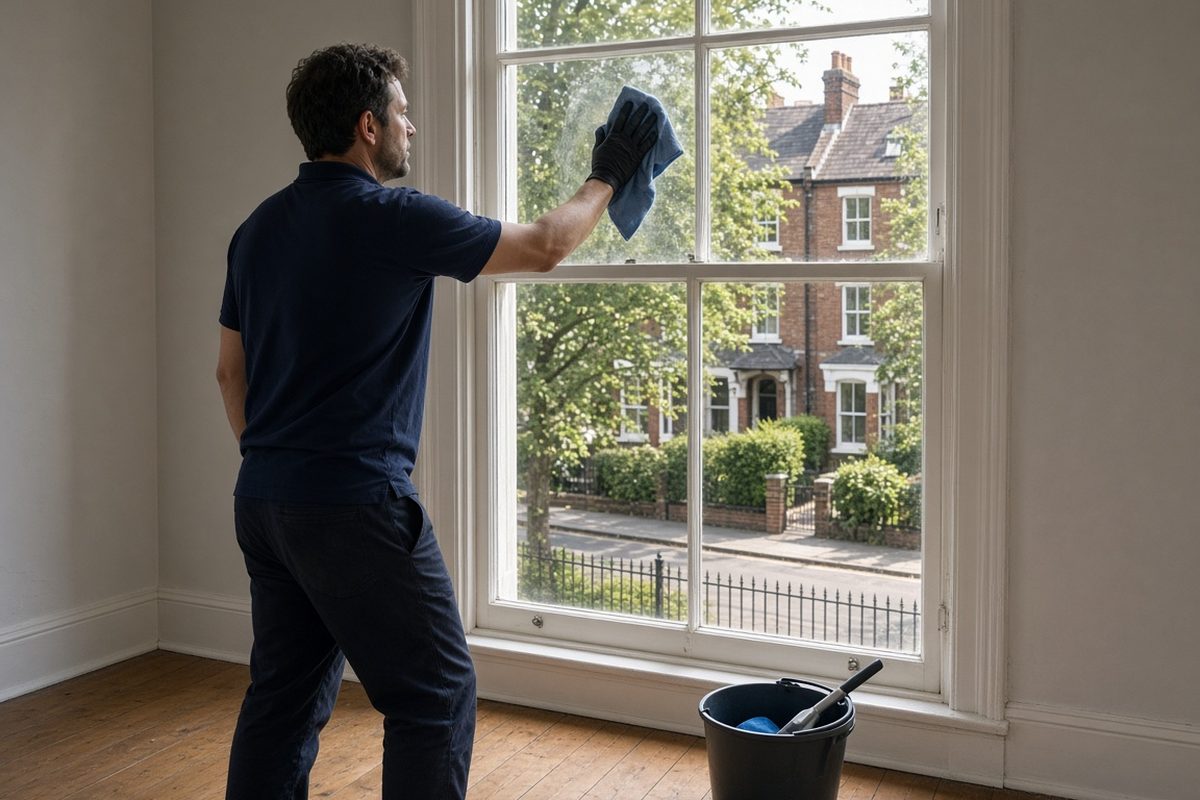
Many rented homes in Oxford sit empty for a few weeks each winter: student houses over the Christmas vacation, flats between tenancies, homes waiting for a sale or refurbishment. An empty property in cold weather faces particular risks. Pipes can freeze and burst, condensation builds up when the heating is off, and dust and smells settle into an unused home. This guide explains how landlords and tenants can protect an empty property in winter, and how to clean it before someone moves in or the check-out takes place.
Why Empty Homes Suffer in Winter
When a home is lived in, heating, cooking and movement keep the air warm and circulating. When it is empty and the heating is off:
- Temperatures drop, sometimes close to freezing in older homes with solid walls and single glazing
- Pipes can freeze, especially those in cold spaces such as lofts, under suspended floors and against outside walls
- Condensation forms on cold surfaces whenever the temperature drops overnight, even without people adding water to the air
- Black spotting can grow on window frames, sealant, walls and in cupboards
- Water in traps in sinks and toilets can evaporate over time, letting drain smells into the home
- Dust settles on every surface, and insects and spiders move in
A few simple steps can prevent most of this.
Before Leaving a Property Empty
For landlords and agents:
- Keep the heating on low, with a frost setting or a constant low temperature. Many boilers and thermostats have a frost-protection mode.
- Know where the stopcock is, and consider turning off the water and draining the system for long voids, following advice from a heating engineer.
- Insulate exposed pipes and tanks, especially in the loft.
- Check gutters and drains are clear, so rain and snowmelt drain away.
- Arrange regular visits, at least weekly, to check for leaks, run taps and flush toilets.
- Check insurance conditions. Many landlord policies have specific requirements for unoccupied properties, such as regular inspections or draining down the system after a certain number of days.
For tenants going away over winter:
- Tell your landlord or agent if you will be away for more than a couple of weeks; some tenancies require this
- Leave the heating on low rather than off
- Close windows and lock up
- Empty bins and the fridge of anything that will go off
- Leave internal doors open to help warm air circulate
If Pipes Have Frozen or Burst
If you find frozen pipes, thaw them slowly with warm air, such as a hairdryer on low or warm towels, never a naked flame. Start from the end nearest the tap and work back.
If a pipe has burst:
- Turn off the water at the stopcock
- Switch off electricity at the mains if water is near fittings, only if you can do so safely
- Open taps to drain the system
- Contact the landlord or a plumber
- Photograph the damage
- Remove standing water and start drying
Our guide to cleaning after a leak or water damage explains what to do next, including who is responsible.
Cleaning After a Winter Void
When the property is ready to be used again, a thorough clean puts it back to a good standard.
Ventilate first
Open windows and run the heating for a day or two before cleaning, if possible. This dries out surfaces and makes cleaning easier.
Dust from top to bottom
Empty homes collect dust on every surface. Start with ceilings, cornices, light fittings and the tops of doors and cupboards, then work down to skirting boards and floors. Remove cobwebs from corners and window frames.
Windows, frames and sills
Condensation in an empty home often leaves water marks and black spotting on window frames, seals and sills. Clean them with a suitable product and dry thoroughly. See our guide to condensation and black spots on windows.
Kitchen
- Run taps for a few minutes to flush the pipes
- Clean the sink and plughole, and pour water into the trap to remove smells
- Wipe cupboards inside and out; check for signs of pests
- Clean the fridge if it was left switched off with the door closed, which can cause smells and spotting
- Dust and wipe appliances
Bathrooms
- Flush toilets and run water in all basins, showers and baths to refill traps
- Clean toilets, including under the rim, as standing water can leave stains
- Clean sealant and grout, which can develop black spotting in cold, damp conditions
- Descale taps and shower heads
- Clean extractor fans
Floors and carpets
Vacuum carpets thoroughly, including edges and corners. If carpets smell musty or feel damp, check for leaks and allow them to dry fully before cleaning. Hard floors can be vacuumed and mopped. Our end of tenancy carpet cleaning service can refresh carpets after a void.
Wardrobes and cupboards
Cupboards and wardrobes against outside walls are prone to condensation. Check inside for black spotting and smells, clean, and leave doors open to air. See our guide to wardrobes and cupboards at the end of a tenancy.
Dealing With Smells
Common smells in empty homes include:
- Drain smells, from dried-out traps. Run water in every sink, shower, bathtub and toilet.
- Musty smells, from damp carpets, fabrics or cupboards. Ventilate, dry and clean.
- Fridge smells, from a fridge left closed and switched off. Clean thoroughly and leave the door open.
- Stale air. Open windows and run the heating.
Our guide to getting rid of smells before moving out has more tips.
Student Houses Over the Holidays
Many Oxford student houses are left empty over the Christmas vacation. Before leaving:
- Agree who will turn the heating down, not off
- Empty the fridge of anything perishable and take out the bins
- Wash up and clean the kitchen; dishes left for three weeks will not be pleasant on return
- Close windows and lock all doors
- Tell the landlord the dates you will be away
On return, ventilate, run taps and check for any problems before settling back in.
Before a New Tenant Moves In
A winter void often ends with a new tenancy. Before check-in:
- Arrange a full clean after the property has been warmed and dried
- Make sure all safety checks are up to date
- Check smoke and carbon monoxide alarms
- Check heating and hot water work properly
- Record the condition in a detailed check-in inventory, with photos
Our void property cleaning guide and landlord and letting agent cleaning service cover this in detail.
Before a Check-Out
If a tenant has moved out before winter and the check-out happens weeks later, the property may have collected dust and condensation in the meantime. That is not the tenant's fault. Landlords and clerks should take into account how long the property was empty before the check-out. Tenants should take dated photos at the time they leave, so there is evidence of the condition on that day.
A Simple Visit Checklist
If you are checking on an empty property over winter, a short routine on each visit catches most problems early:
- Look at ceilings and walls for new stains or drips
- Check the boiler is running and the thermostat is set correctly
- Run each tap for a minute and flush each toilet
- Look under sinks and around the washing machine for leaks
- Check windows for condensation and wipe it away
- Open windows for ten minutes to change the air, then close and lock them
- Check the post and remove any junk mail behind the door
- Note the meter readings
- Take a few dated photos
Keeping a simple log of visits is useful for insurance and shows that the property was looked after.
Oxford Homes Most at Risk
Some Oxford properties are more vulnerable in cold weather:
- Victorian and Edwardian terraces with solid walls, suspended timber floors and pipes in cold spaces
- Top-floor flats with water tanks or pipes in the loft
- Converted houses where pipes run through unheated communal areas
- Homes near the river, such as in Osney, Grandpont and New Hinksey, which can be colder and damper in winter
If you own or manage one of these, take extra care with heating and visits during a void.
Frequently Asked Questions
What temperature should I leave the heating on in an empty property?
Many people use a constant low setting or the boiler's frost-protection mode. Check with your heating engineer or insurer for advice on your property.
Why does my empty flat smell when I return?
Usually because water in the traps of sinks and toilets has evaporated, letting drain smells in. Run water in every outlet.
Should I turn off the water when leaving a property empty?
For long voids, turning off the water and draining the system can reduce the risk of burst pipes. Take advice from a heating engineer first.
Can black spotting appear in an empty house?
Yes. Without heating and ventilation, condensation can form on cold surfaces and lead to black spotting on frames, sealant and walls.
Do you clean properties after a winter void?
Yes. We clean empty properties across Oxford, including dusting, windows, kitchens, bathrooms and carpets, ready for a new tenant or a sale.