
Professional Cleaning Equipment Explained: What End of Tenancy Cleaners Actually Use
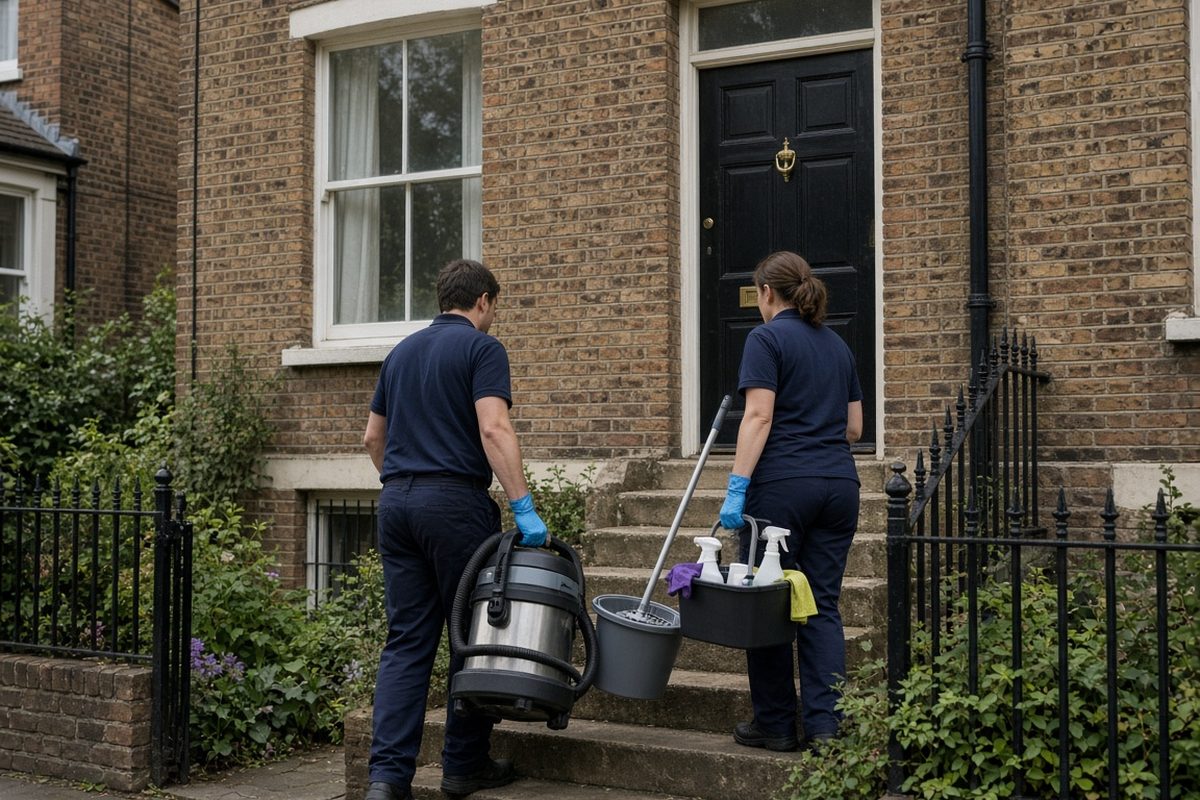
When people compare a DIY end of tenancy clean with a professional one, they often assume the difference is effort. Effort matters, but so does equipment. Professional cleaners use machines and tools that most households do not own, and products chosen for particular surfaces rather than one spray for everything. This guide explains what the main pieces of equipment are, what they do, and which ones genuinely make a difference to the result at check-out. It may also help you decide which parts of the clean to do yourself and which to book.
Why Equipment Matters at Check-Out
An inventory clerk compares the property at check-out with the check-in report and photos. The items most often marked down are the oven, carpets, limescale in bathrooms, window tracks and high ledges. These are exactly the jobs where the right equipment saves the most time and gives the best result.
With household tools, you can get most rooms clean. But a heavily soiled oven, a stained carpet or thick limescale can take hours and still not reach the check-in standard. Professional equipment is designed to deal with those jobs in a fraction of the time, and more thoroughly.
Hot Water Extraction Carpet Machines
Hot water extraction is the method most professional carpet cleaners use, and it is what most check-in reports mean by "professionally cleaned".
The machine sprays a hot cleaning solution deep into the carpet pile under pressure, then immediately sucks it back out with powerful suction, along with the dirt it has loosened. Professional machines have much stronger suction than domestic carpet washers, so they remove more dirt and leave the carpet less wet, which means shorter drying times.
Typical professional set-ups include:
- A portable extraction machine with a heated tank and a powerful vacuum motor
- A floor wand for open areas and a smaller upholstery tool for stairs and edges
- Pre-spray products that loosen oily soil before extraction
- Spot treatments for particular stains, such as coffee, wine or pet accidents
- A rinse that leaves no sticky residue, so the carpet does not re-soil quickly
Our guide to carpet shampoo vs hot water extraction compares the methods, and our end of tenancy carpet cleaning page explains what is included.
Oven Dip Tanks and Degreasers
Professional oven cleaners often bring a heated dip tank: a sealed tank filled with a strong, usually caustic-free, degreasing solution. Oven racks, trays, grill pans and other removable parts soak in the tank while the cleaner works on the inside of the oven. After soaking, carbon and grease wipe off far more easily than they would with scrubbing alone.
Inside the oven, cleaners use gel degreasers that cling to vertical surfaces, scrapers for the glass, and non-scratch pads. Many also remove the inner glass panel of the door, where possible, to clean between the panes, which is something most people never manage.
Our oven cleaning service and our guide on how to clean an oven before moving out explain the process.
Commercial Vacuum Cleaners
Professional cleaners usually carry commercial vacuums designed for heavy daily use. They tend to have:
- More consistent suction, so dirt is lifted from carpet and edges
- Fine filtration, which helps with dust and allergens
- A range of tools for edges, upholstery, high ledges and radiators
- Long cables and durable hoses for working through a whole house
Some teams also use backpack vacuums, which are faster on stairs and in tight spaces, and wet-and-dry vacuums for picking up water after carpet or floor cleaning.
Microfibre Systems
Microfibre cloths and mops are central to professional cleaning. The fine fibres trap dust and grease rather than pushing them around. Many teams use a colour-coded system, for example:
- Red cloths for toilets and urinals
- Yellow for other bathroom surfaces
- Blue for general areas
- Green for kitchens
Colour coding stops cross-contamination between rooms. It also means the cloth used on the toilet never goes near the kitchen worktop.
For floors, flat microfibre mops with removable pads give a streak-free finish and can be changed between rooms.
Steam Cleaners
Steam cleaners heat water to produce dry steam, which loosens grime and grease without chemicals. They are useful for:
- Grout and tile joints
- Around taps and plugholes
- Hob surrounds and kitchen tiles
- Shower tracks and seals
Steam is not suitable for every surface. It can damage old wood floors, some laminates, painted surfaces and delicate fabrics. Professionals know where to use it and where not to.
Window Cleaning Tools
For inside glass, professionals use a scrubber and a squeegee, which leaves a streak-free finish much faster than cloth and spray. For frames, sills and tracks, they use narrow brushes, crevice tools and microfibre.
Outside upstairs glass is a different job. Window cleaners use water-fed poles that deliver purified water through a brush on an extension pole, so glass can be cleaned safely from the ground. Many end of tenancy companies, including us, clean outside glass only where it can be reached safely from the ground or a balcony. See our window cleaning page.
Professional Descalers
Oxfordshire's hard water means limescale is a constant problem. Professional descalers are acid-based products, stronger than most supermarket bathroom sprays, and chosen for particular surfaces: chrome taps, glass screens, ceramic tiles, stainless steel sinks.
The key is not just strength but selection. Acid can etch natural stone and damage some tap finishes, so a good cleaner uses the mildest product that works and avoids acid entirely on marble or limestone. Our guide to limescale vs soap scum explains the chemistry.
Upholstery and Mattress Tools
Furnished lets often need sofas, chairs and mattresses cleaned. Professional upholstery tools are smaller extraction heads that clean fabric with less water, so it dries faster. For mattresses, cleaners use a combination of vacuuming with fine filtration, stain treatment and, in some cases, low-water extraction.
Not all fabrics can be wet-cleaned, so checking the care label comes first. See our upholstery cleaning and mattress cleaning pages.
Ladders, Extension Poles and Safety Kit
High ledges, picture rails, cornices and light fittings in period properties need safe access. Professionals carry step ladders and extension poles with dusting heads, so they can reach high areas without standing on furniture.
They also use gloves, eye protection where needed, and follow product safety instructions. Under COSHH rules, businesses are expected to assess and control the risks of the chemicals they use; the HSE COSHH guidance explains this.
Checklists, Photos and Paperwork
Not every piece of professional kit is a machine. Two of the most useful tools at check-out are a written checklist and a camera.
A good checklist lists every item a clerk is likely to inspect, room by room, so that nothing is missed when a team of three is working through a house at speed. Each cleaner ticks off their rooms, and a team leader walks through at the end to check. Our end of tenancy cleaning checklist is built around the items that appear on Oxford inventories most often.
Photos are the other half. Dated photos of the finished kitchen, oven, bathrooms, carpets and windows give you evidence if the check-out report later says something was not cleaned. Together with an invoice that lists what was done, they are often what settles a disagreement without a formal dispute.
Equipment for Period and New-Build Homes
Oxford's housing stock means a professional team needs to be ready for very different properties in the same week.
For Victorian and Edwardian houses in North Oxford, Jericho and Grandpont, that means soft brushes for cornices and ceiling roses, narrow tools for sash window channels, wood-safe floor cleaners and pH-neutral products for marble hearths and encaustic tiles.
For new-builds at Barton Park, Bicester or Didcot, it means fine-filter vacuums for builders' dust, plastic scrapers for paint spots on glass, sticker-residue removers and grout haze cleaners. Our guide to cleaning new-build flats explains the difference.
What You Can Hire or Buy
You can hire a domestic carpet washer from many supermarkets and DIY stores, and buy oven cleaning kits, descalers and microfibre cloths. These can give good results on lighter jobs.
The difference with professional equipment is mainly in:
- Suction and heat, which affect how much dirt comes out and how quickly carpets dry
- Time, because professional tools are faster on heavy soiling
- Experience, knowing which product to use on which surface
When to Use a Professional
Professional equipment makes the biggest difference for:
- Heavily soiled ovens and range cookers
- Carpets with stains or traffic lanes, especially if the inventory says professionally cleaned
- Heavy limescale and black spotting in bathrooms
- Large houses with high ceilings and period features
- Shared houses after a year of heavy use
- Furnished lets with sofas and mattresses to clean
For a small, well-kept flat after a short tenancy, household equipment and a careful approach may be all you need. Our DIY end of tenancy cleaning guide shows how.
Frequently Asked Questions
Is a hired carpet cleaner as good as a professional machine?
Domestic machines can improve carpets, but they usually have less suction and heat, so they remove less dirt and leave carpets wetter. For a "professionally cleaned" standard, a professional clean is usually safer.
Do professional cleaners use harsh chemicals?
Good professional cleaners choose products for each surface, often using milder products than people expect. Strong products are used only where needed, with proper ventilation and safety precautions.
Can steam cleaning damage my floors?
Yes, on some surfaces. Steam can damage old wooden floors, some laminate and vinyl, and painted surfaces. Professionals avoid steam on these.
Do you bring all your own equipment?
Yes. We bring all the equipment and products needed. You only need to leave the water and electricity on.
What is a dip tank?
A sealed tank of heated degreasing solution in which oven racks, trays and grill pans are soaked, so carbon and grease come off far more easily.