
Cleaning Period Flats in Oxford: Sash Windows, High Ceilings and Old Bathrooms
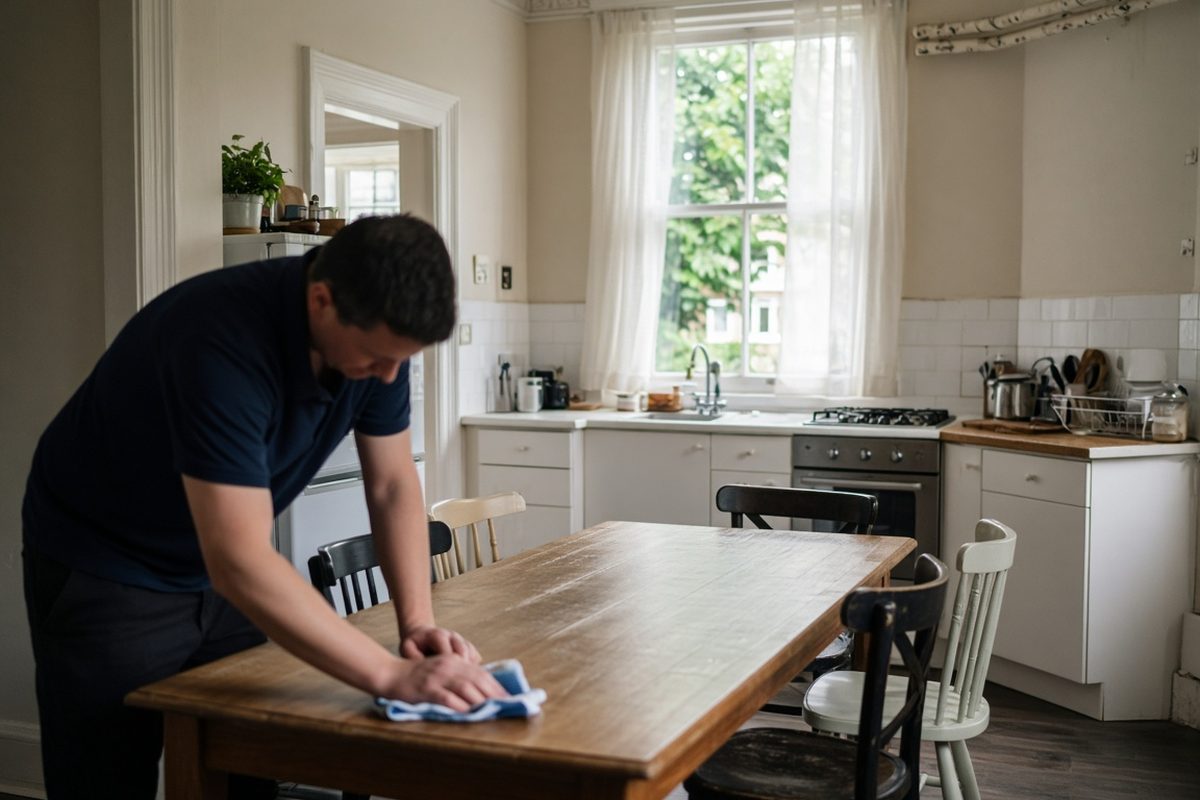
Oxford has a lot of period flats: Victorian and Edwardian houses split into two, three or four flats in North Oxford, Summertown, Jericho, Grandpont and around the city centre. They are lovely places to live, but they are harder to clean at the end of a tenancy than a modern flat of the same size. High ceilings collect dust, sash windows trap dirt, old bathrooms build up limescale, and original floors need the right products. This guide explains what to focus on and how to avoid damaging the features that make these flats special.
Why Period Flats Take Longer
A two-bedroom flat in a converted Victorian house can easily have:
- Ceilings over three metres high, with cornices and ceiling roses
- Picture rails and deep skirting boards in every room
- Tall sash windows, sometimes with internal shutters
- Panelled doors and architraves
- Fireplaces and hearths, even if they are not in use
- Original wooden floors or tiles in the hall
- An older bathroom with exposed pipework and tiled walls
Each of these takes longer to clean than its modern equivalent, and inventory clerks check them.
High Ledges and Ceilings
Dust settles on every horizontal surface. In a period flat there are many more of them, and they are higher up.
Work from the top down, so that dust falls onto surfaces you have not cleaned yet:
- Ceiling corners and cornices, with a soft brush on an extension pole
- Light fittings and ceiling roses, within safe reach
- Picture rails and the tops of door frames
- Tops of wardrobes and shelves
- Window frames and sills
- Radiators and pipework
- Skirting boards
- Floors
Use a dry, soft brush or a microfibre duster on ornate plaster. Wet cloths can damage old plaster and paint.
Sash Windows
Sash windows are one of the most common items noted at check-out in period flats. They have:
- Glass panes, often divided by glazing bars
- Sills, inside and sometimes outside
- Runners and channels where dirt and dead insects collect
- Staff beads and parting beads
- Sash cords or chains
- Internal shutters in some houses
Clean the glass with a window cleaner and a lint-free cloth, then vacuum the channels and wipe them. Do not force a stiff sash, and do not wet the cords. If the window is painted shut, leave it and tell the agent.
Our guide to window sills, tracks and frames explains more, and our end of tenancy window cleaning service covers all of this.
Condensation on Old Windows
Single-glazed sash windows get condensation in winter. Over time, it leaves black spotting on the frames, sills and the paint around them.
Clean the marks with a suitable cleaner and dry the area. If the paint is flaking or the wood is soft, that is a maintenance issue for the landlord, not a cleaning problem. Point it out at check-out. Our guide to condensation and black spots on windows has more detail.
Old Bathrooms
Bathrooms in converted period houses are often small, with limited ventilation and older fittings. Common problems are:
- Heavy limescale on taps, showerheads and screens
- Black spotting in sealant and grout
- Stained enamel baths and basins
- Exposed pipework that collects dust
- Old extractor fans clogged with dust
Use a descaler suitable for chrome and enamel. Avoid abrasive pads on old enamel, which scratches easily. Clean the pipework and the area behind the toilet, which clerks check.
See our guide to bathroom limescale and sealant.
Original Floors
Many period flats have original floorboards, parquet or tiled halls. They need gentle cleaning:
- Vacuum first to remove grit, which scratches
- Use a slightly damp mop, not a wet one, on wood
- Use a cleaner suitable for the finish (oil, wax or lacquer)
- Use a pH-neutral cleaner on old tiles, never acidic
Do not use steam mops on old wood or tiles. Our guide to laminate, wood and vinyl floors explains which products to use on each surface.
Fireplaces and Hearths
Even decorative fireplaces collect dust and soot. Clean the hearth, the surround and the grate, and vacuum inside the opening carefully. If the fireplace is in use, the chimney and grate may need specialist cleaning, which is not part of a standard end of tenancy clean.
Kitchens in Converted Flats
Kitchens in period conversions are often small, with limited ventilation. Grease builds up quickly on cupboards, tiles and the extractor. The oven may be built into a small space, so cleaning behind it is difficult.
Pay particular attention to:
- The oven, inside and out
- The extractor hood and filter
- Tops of cupboards, which collect greasy dust
- Tiles and grout behind the hob
Communal Areas
In converted houses, the hall, stairs and landing are often shared between flats. These are usually the landlord's or managing agent's responsibility, not yours. But if you have left marks, rubbish or belongings in shared areas, clean or clear them.
Also check any storage areas you used, such as a cellar or a cupboard under the stairs.
Access and Parking
Most period flats in central and north Oxford are in controlled parking zones. If you book professional cleaners, tell them about permits and access, especially if the flat is on an upper floor with no lift.
Products That Are Safe on Period Surfaces
Older surfaces react badly to some modern cleaning products. A few rules prevent most damage:
- Old paint: use warm water with a little washing-up liquid. Strong degreasers and magic erasers can remove the finish and leave a pale patch that looks worse than the mark.
- Marble fireplaces and hearths: never use acidic products such as vinegar or limescale removers. They etch the stone permanently. Use a pH-neutral cleaner and a soft cloth.
- Encaustic and Victorian floor tiles: a pH-neutral tile cleaner, applied with a damp mop. Acids and bleach can dull the glaze and damage the grout.
- Brass door furniture and fingerplates: a soft cloth and a little metal polish, taking care not to get polish on the surrounding paint.
- Stained glass in doors and fanlights: a damp microfibre cloth only. Do not spray cleaner directly onto old leaded glass.
- Old enamel baths: a non-abrasive cream cleaner. Scratched enamel stains more easily and cannot be cleaned back.
Our guide to cleaning products that damage rental surfaces goes into more detail. If you are not sure what a surface is made of, test the product on a hidden area first.
What the Inventory Says About Period Features
Inventories for period flats in Oxford often describe features in detail: "marble fire surround, clean, minor chip to left corner", "sash window, glass clean, cords intact, shutters clean". That is useful, because it tells you exactly what the clerk will compare at check-out.
Before you clean, read through your check-in report room by room and make a list of every feature it mentions. Then clean each one to the condition it describes. If the report notes an existing defect, such as a cracked tile or a stiff sash, you do not need to fix it, but you should not make it worse.
If the report describes the property as "professionally cleaned", the clerk will expect the same standard, including high ledges and window channels. Our guide to the check-out report explains how the comparison works.
Listed Buildings
Some period flats in central Oxford, Jericho and North Oxford are in listed buildings. Listing does not change what you need to clean, but it does mean you should be careful with original features. Do not use abrasive products, do not remove anything, and do not try to repair or repaint. Our guide to cleaning listed buildings in Oxford explains more.
Frequently Asked Questions
Do I need to clean the outside of sash windows?
Usually only if the inventory records them as clean and you can reach them safely. Upper-floor outside glass normally needs a window cleaner with the right equipment.
Can I use a steam mop on original floorboards?
No. Steam can damage old wood and finishes. Use a vacuum and a slightly damp mop with a suitable cleaner.
Who cleans the shared stairs in a converted house?
Usually the landlord or managing agent. You are responsible for your own flat and any mess you have left in shared areas.
What if the black spotting on the windows will not come off?
Clean it as well as you can and tell the agent. If it is in the paint or the wood, it is a maintenance issue rather than cleaning.
How long does a period flat take to clean?
Usually longer than a modern flat of the same size. A two-bedroom period flat can take a team five to seven hours. See our guide to how long end of tenancy cleaning takes.