
The Spots Inventory Clerks Check First: Where Cleaning Deductions Usually Come From
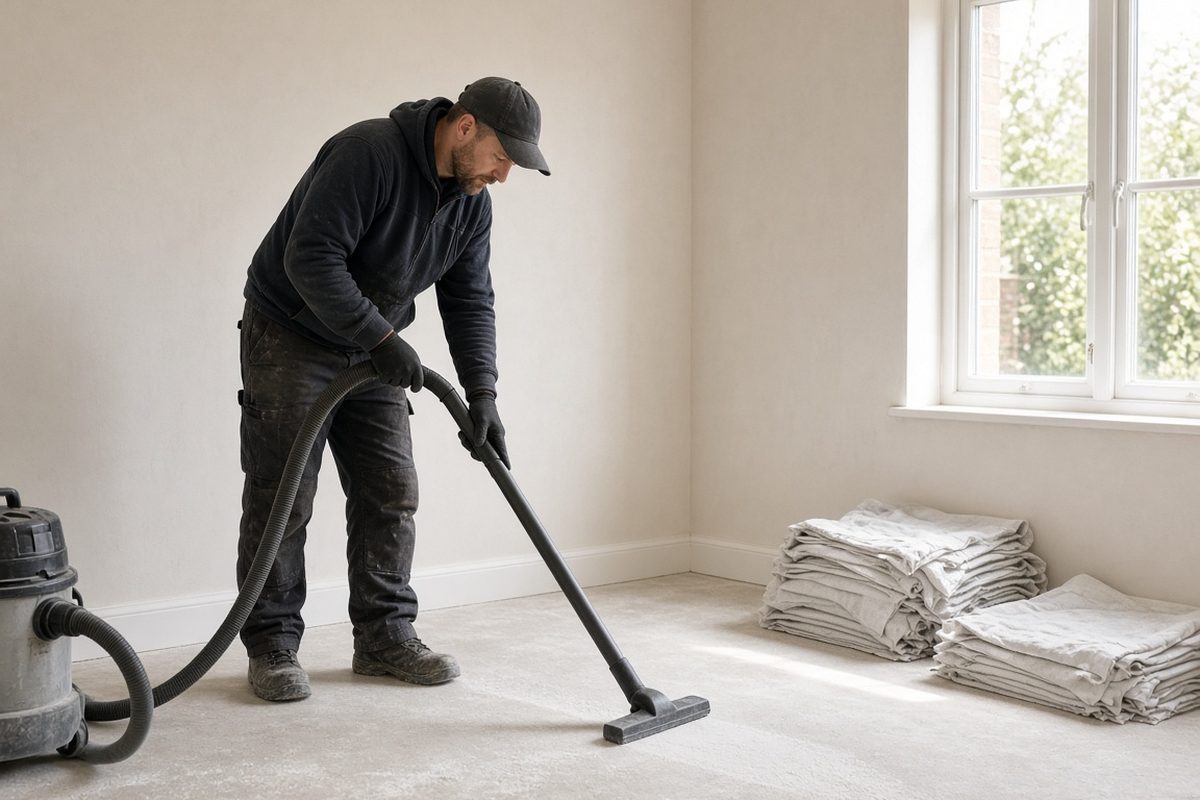
An inventory clerk doing a check-out does not look at a property the way a tenant does. A tenant sees a clean, tidy home. A clerk opens the oven door, runs a finger along the top of the kitchen cupboards, lifts the extractor filter, looks under the bathtub panel and checks behind the fridge. They compare what they find with the check-in report, line by line. Knowing where they look first helps you focus your cleaning where it matters most. This guide lists the spots that come up most often in check-out reports, why they are missed and how to clean them.
How a Check-Out Inspection Works
A check-out is usually carried out by the letting agent or an independent inventory clerk. They walk through every room with a copy of the check-in inventory, noting any differences in condition and cleanliness. They take photos and write a report, which the landlord uses to decide whether to propose any deposit deductions.
Most clerks follow a routine. They usually start in the kitchen, because that is where the most cleaning issues are found, then move to bathrooms, then bedrooms and living areas. Our guide to the inventory check-out report explains how the report is written.
1. Inside the Oven
The oven is the single most common cleaning issue at check-out. Clerks check:
- The oven cavity, including the roof and back wall
- Racks, shelves and trays
- The inside of the door glass, and between the panes if the door comes apart
- The grill and grill pan
- The seal around the door
- The control knobs and the front panel
Baked-on grease is hard to remove without the right products and time. Many tenants book a professional end of tenancy oven clean for this reason. Our guide to how to clean an oven before moving out explains how to do it yourself.
2. The Extractor Hood and Filter
The cooker hood is easy to forget. Clerks look at:
- The underside of the hood, which collects grease
- The metal mesh filters, which clog with fat
- The top of the hood, which collects dust and grease together
- The control buttons and light covers
Metal filters can usually be soaked in hot water and degreaser or put through a dishwasher. Charcoal filters cannot be washed and may need replacing. See our guide to extractor fan and cooker hood cleaning.
3. The Tops of Cupboards and High Surfaces
Clerks often run a gloved finger along the tops of kitchen wall cupboards, wardrobes, door frames and picture rails. Dust and grease build up there over a tenancy, and tenants rarely see it. A step ladder and a damp cloth with degreaser in the kitchen, and a duster elsewhere, deal with it.
4. Inside Cupboards and Drawers
Every cupboard and drawer should be emptied and wiped inside, including:
- Shelves, sides and doors
- Cutlery drawers, which collect crumbs
- The cupboard under the sink, where spills and drips collect
- Hinges and handles
Our guide to kitchen cupboards and under-sink cleaning has more detail.
5. Fridge and Freezer
Clerks check that the fridge and freezer have been emptied, defrosted where needed, and cleaned inside and out, including the door seals, salad drawers and shelves. A freezer full of ice or a fridge with a smell is a common note. See our guide to defrosting and cleaning the fridge freezer.
6. Behind and Under Appliances
If the washing machine, fridge or cooker can be moved safely, clerks may check behind and under them. Dust, crumbs, lost items and grease build up there. Even if appliances cannot be moved, the visible floor and wall around them should be clean. Our guide to hidden dirt behind appliances explains how to move appliances safely.
7. Limescale on Taps, Showers and Toilets
Oxfordshire has hard water, so limescale builds up quickly. Clerks check:
- Taps, especially around the base and the spout
- Shower heads, hoses and screens
- Inside the toilet bowl, under the rim and around the waterline
- Plugholes and overflows
- Tiles and grout around the shower and bathtub
Limescale is one of the most common bathroom notes in Oxford check-out reports. See our guide to bathroom limescale and sealant before check-out.
8. Sealant and Grout
Black spotting in silicone sealant and grey grout are often noted. Light spotting can be cleaned, but deep staining inside sealant may need replacing. If it was there at check-in, it should be on the inventory.
9. Skirting Boards, Doors and Frames
Skirting boards collect dust along the top edge and scuffs along the front. Doors and frames collect fingerprints, especially around handles. Clerks often check these in every room. A damp cloth with a mild cleaner usually does the job. See our guide to cleaning hard floors and skirting boards.
10. Light Switches, Sockets and Fittings
Switches and sockets get grubby from fingers. Light fittings and lampshades collect dust and insects. Clerks note both. Clean switches and sockets with a barely damp cloth, never wet, and dust light fittings with the power off. Our guide to cleaning light fittings and switches explains how.
11. Windows, Sills and Tracks
Windows are checked inside, along with frames, sills and the tracks or channels where dirt and dead insects collect. Condensation can leave black spotting on frames and seals in winter. Our guide to window sills, tracks and frames covers this.
12. Carpets and Floors
Clerks look for stains, dirt in corners and along edges, and marks where furniture stood. They compare carpets with the check-in report, allowing for wear. Hard floors are checked for dirt in corners and along skirting. Our guide to carpet stains: clean or replace explains what can be removed.
13. Walls and Marks
Scuffs, sticky tack marks, scribbles and greasy marks around light switches and on kitchen walls are often noted. Some marks are fair wear and tear; others are not. See our guide to removing sticky tack and wall marks.
14. Bins and Outside Areas
Clerks check that bins have been emptied and, depending on the tenancy, cleaned. Gardens, patios and balconies should be clear of rubbish. See our guide to cleaning gardens, bins and outside areas.
15. Anything Left Behind
Items left behind, from food in cupboards to furniture in the loft, are noted. The landlord may charge a reasonable cost for removal. Check every cupboard, the loft, the shed and under the stairs before you leave.
Why These Spots Get Missed
Most of these spots are missed for the same reasons:
- They are out of sight: tops of cupboards, behind appliances, inside the extractor
- They take time: the oven alone can take a couple of hours
- They need the right products: limescale and grease do not come off with general sprays
- The property is not empty: if the clean is done before moving out, furniture and boxes get in the way
A written checklist helps. Our end of tenancy cleaning checklist is built around the items that come up most often in Oxford check-out reports.
How to Check Your Own Work
Before the check-out, do your own inspection with the check-in inventory in hand:
- Start in the kitchen. Open the oven, look at the extractor, run a finger along the cupboard tops.
- Open every cupboard and drawer.
- Look at the taps and shower in good light.
- Check skirting boards and door frames in each room.
- Look at carpets for stains and marks.
- Take dated photos as you go.
Spots That Matter More in Oxford
Some of these spots come up more often in Oxford than in other places, because of the local housing and water:
- Limescale: Oxfordshire's water is hard, so taps, shower heads and toilets scale up quickly. A tenant who has been in a property for two or three years can face heavy scale, even with regular cleaning.
- High ledges in period homes: picture rails, tall door frames, cornices and the tops of tall wardrobes in Victorian houses collect dust and are often noted.
- Sash window channels: dirt and insects collect in the channels and on the top of the lower sash.
- Student house kitchens: with five or six people cooking, extractor filters, hobs and oven doors take a heavy load.
- New-build dust: in new-build flats, dust from the build can keep appearing on sills and in vents during the first year.
Knowing these local hot spots helps you plan your cleaning time.
Frequently Asked Questions
What is the most common cleaning issue at check-out?
The oven is the most common, followed by limescale in bathrooms, kitchen grease and dust on high surfaces.
Do inventory clerks move furniture?
They do not usually move heavy furniture, but they may look behind and under items that can be moved easily, and they check where furniture stood if the property is empty.
Will the clerk check inside the oven door?
Often, yes. Grease between the panes of the oven door glass is commonly noted. Some doors can be taken apart; check the manual first.
Do I need to clean the windows outside?
It depends on the tenancy and what can be safely reached. Clean the inside, frames and sills, and outside panes you can reach safely from inside.
Can a professional clean cover all of these spots?
Yes. A professional end of tenancy clean should cover every item on this list. Check that your cleaner works to a written checklist.