
Cleaning Hard Floors and Skirting Boards: Tiles, Vinyl, Wood and the Edges Clerks Check
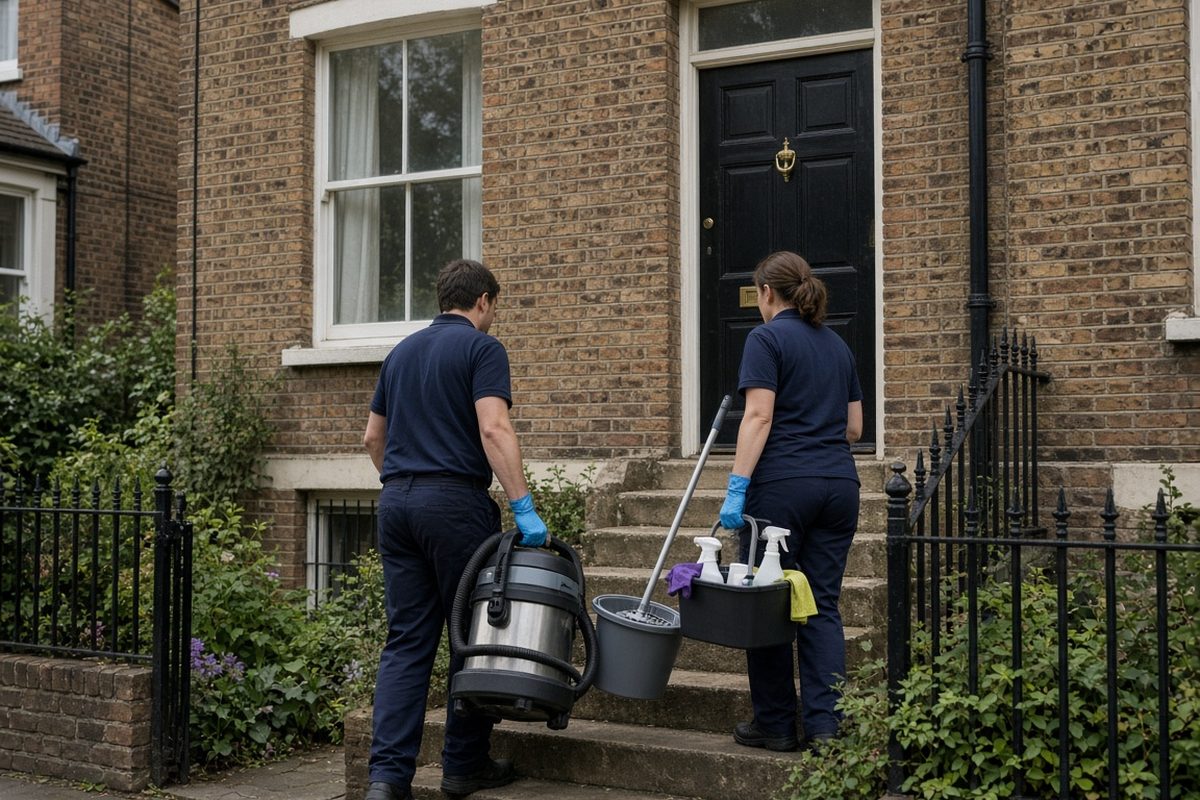
Floors are the last thing cleaned in an end of tenancy clean, and the first thing an inventory clerk sees when they walk into a room. Dirt in corners, grit along skirting boards, sticky patches in front of the kitchen units and dust on top of the skirting are all common check-out notes. This guide explains how to clean each type of hard floor, how to clean skirting boards properly, and the details that make the difference between a floor that looks clean and one that passes a check-out.
Floors Last, Skirting First
Floors should be the last thing you clean in each room, because dust and debris from everything else ends up on them. But skirting boards should be cleaned before the floor, so any dust you wipe off is picked up when you vacuum and mop.
The order in each room is:
- High surfaces, light fittings and walls
- Windows and sills
- Doors, frames, switches and sockets
- Skirting boards
- Floor: vacuum, then mop
Work from the far side of the property towards the door, so you do not walk on clean floors.
Skirting Boards
Skirting boards collect dust on the top edge, scuffs on the front and grime in the corners where they meet the floor.
- Vacuum along the top edge and the join with the floor, using a brush or crevice tool.
- Wipe with a cloth dampened in warm water with a little washing-up liquid or a mild all-purpose cleaner.
- Pay attention to corners, where dirt builds up. An old toothbrush helps.
- Remove scuffs with a little more cleaner, or a melamine sponge used gently on gloss paint.
- Dry with a clean cloth.
In kitchens, skirting boards (and kick plates under units) often have grease and food splashes. Use a degreaser if needed.
Many Victorian and Edwardian houses in Oxford have tall, decorative skirting boards with several ridges. Use a soft brush or toothbrush to clean dust from the grooves before wiping.
Preparing the Floor
Before mopping any hard floor:
- Vacuum or sweep thoroughly, including corners, edges and under radiators
- Use a crevice tool along skirting and in corners
- Pick up any grit, which scratches floors when you mop
Mopping a floor that has not been vacuumed just moves dirt around.
Ceramic and Porcelain Tiles
Tiles are common in kitchens, bathrooms and hallways.
- Vacuum or sweep.
- Mop with warm water and a suitable floor cleaner.
- Pay attention to grout lines, which collect dirt. Use a grout brush and a suitable grout cleaner for dirty lines.
- Rinse with clean water if the cleaner leaves a residue.
- Dry with a clean mop or cloth to avoid water marks.
Avoid acidic cleaners on grout, which can erode it over time, unless the product is designed for grout.
Natural Stone Floors
Stone, such as limestone, slate or marble, is found in some older Oxford homes and higher-end flats.
- Use a pH-neutral stone cleaner
- Avoid acids, including vinegar and limescale removers, which can etch limestone and marble
- Avoid bleach, which can discolour stone
- Use a well-wrung mop
See our guide to cleaning listed buildings for more on stone.
Vinyl and Lino
Vinyl is common in kitchens and bathrooms in rentals.
- Vacuum or sweep.
- Mop with warm water and a mild floor cleaner.
- Remove scuff marks with a soft cloth and a little cleaner, or a tennis ball rubbed gently on the mark.
- Avoid abrasive pads and harsh solvents, which can dull or damage the surface.
Sticky patches in front of the kitchen units and around the bin are common in check-out reports. A little extra cleaner and a soft scrubbing brush usually lifts them.
Laminate, Engineered Wood and Solid Wood
Wood and laminate floors are sensitive to water.
- Vacuum with a soft floor head, not a beater bar
- Use a well-wrung mop with a cleaner designed for the floor
- Never flood the floor or leave puddles
- Avoid steam mops unless the manufacturer says they are suitable
- Wipe up spills immediately
Our guide to cleaning laminate, wood and vinyl floors covers these floors in more detail.
Stairs
Hard stairs, such as painted or varnished wood, need cleaning step by step:
- Vacuum each tread, the back edge and the corners, starting at the top
- Wipe each tread and riser with a damp cloth
- Wipe the spindles, handrail and newel posts
Carpeted stairs need vacuuming with a brush attachment along each edge. Our end of tenancy carpet cleaning service includes stairs and landings.
Under Radiators
Radiators trap dust behind and underneath them. Use a radiator brush or a long crevice tool to clean behind them, then vacuum the floor underneath. Wipe the radiator itself, including the top and the pipes.
Thresholds and Door Bars
Door bars and thresholds between rooms collect grit in their grooves. Vacuum with a crevice tool and wipe with a damp cloth.
Corners and Edges
Corners are where floors pass or fail. Clerks often look at:
- The join between the floor and the skirting
- The corners of each room
- Around the toilet base and behind the toilet
- Under the kitchen kick plates, if visible
- Around radiator pipes
- Where furniture stood
A crevice tool and an old toothbrush deal with most of these.
Common Floor Problems
- Water marks: dry floors after mopping
- Streaks: usually from too much cleaner. Rinse with clean water
- Sticky residue: from spills or too much cleaner. Mop again with warm water
- Scuffs: usually come off with gentle rubbing and a little cleaner
- Grout discolouration: often age-related wear; deep cleaning can help, but very old grout may not come back to its original colour
- Scratches: usually wear or damage, not cleaning
Bathrooms
In bathrooms, pay attention to:
- Around and behind the toilet, including the base and the pedestal
- The edges of the bathtub panel and shower tray
- Under the basin
- Grout lines on tiled floors
Hard water in Oxfordshire can leave limescale on bathroom floor tiles near the shower. A suitable descaler, tested first and rinsed well, removes it. See our guide to bathroom limescale and sealant.
How Long It Takes
Cleaning skirting boards and hard floors in a two-bedroom flat with a tiled kitchen and bathroom usually takes one to two hours, depending on the condition and how many rooms have hard floors.
Professional Help
Our end of tenancy clean includes all skirting boards, door bars, radiators and hard floors, vacuumed and mopped with products suited to each floor type. See our end of tenancy cleaning checklist.
Choosing the Right Mop
The mop you use makes a real difference to the result:
- Flat microfibre mops are the best all-rounders. They use little water, reach into corners and along skirting boards, and the pads can be washed. Use one pad per room, or swap when it gets dirty.
- String or sponge mops hold more water, which is useful on tiles with deep grout but too wet for wood and laminate.
- Spray mops release a fine mist of cleaner and are good for quick cleans of sealed floors.
- Steam mops sanitise tiles and some vinyl, but are not suitable for many floors. Check first.
Whatever mop you use, change the water often. Mopping with dirty water leaves a grey film, especially on light tiles and vinyl.
Products to Avoid on Rental Floors
- Bleach on coloured grout, stone and some vinyl, where it can discolour
- Vinegar and acidic products on stone and on grout over time
- Polishes and waxes on floors that were not waxed at check-in; they can make floors slippery and are hard to remove
- Oil soaps on laminate, where they leave a film
- Abrasive powders on vinyl, laminate and wood
When in doubt, warm water with a small amount of pH-neutral floor cleaner is safe on almost every hard floor. Our guide to cleaning products that damage rental surfaces has more detail.
Frequently Asked Questions
Should I clean skirting boards before or after the floor?
Before. Dust from the skirting boards then gets picked up when you vacuum and mop.
Can I use a steam mop on my rental's floors?
Only if the floor manufacturer says it is suitable. Steam can damage laminate, engineered wood, some vinyl and sealed stone.
How do I get scuff marks off vinyl floors?
Rub gently with a soft cloth and a little floor cleaner, or with a clean tennis ball. Avoid abrasive pads.
What if the grout is discoloured?
Clean it with a grout brush and a suitable cleaner. Very old grout may not return to its original colour, which is usually wear and tear.
Do you clean behind radiators?
Yes. We clean radiators, behind them where reachable and the floor underneath as part of the end of tenancy clean.