
Extractor Fan and Cooker Hood Cleaning: How to Degrease Filters, Hoods and Bathroom Fans
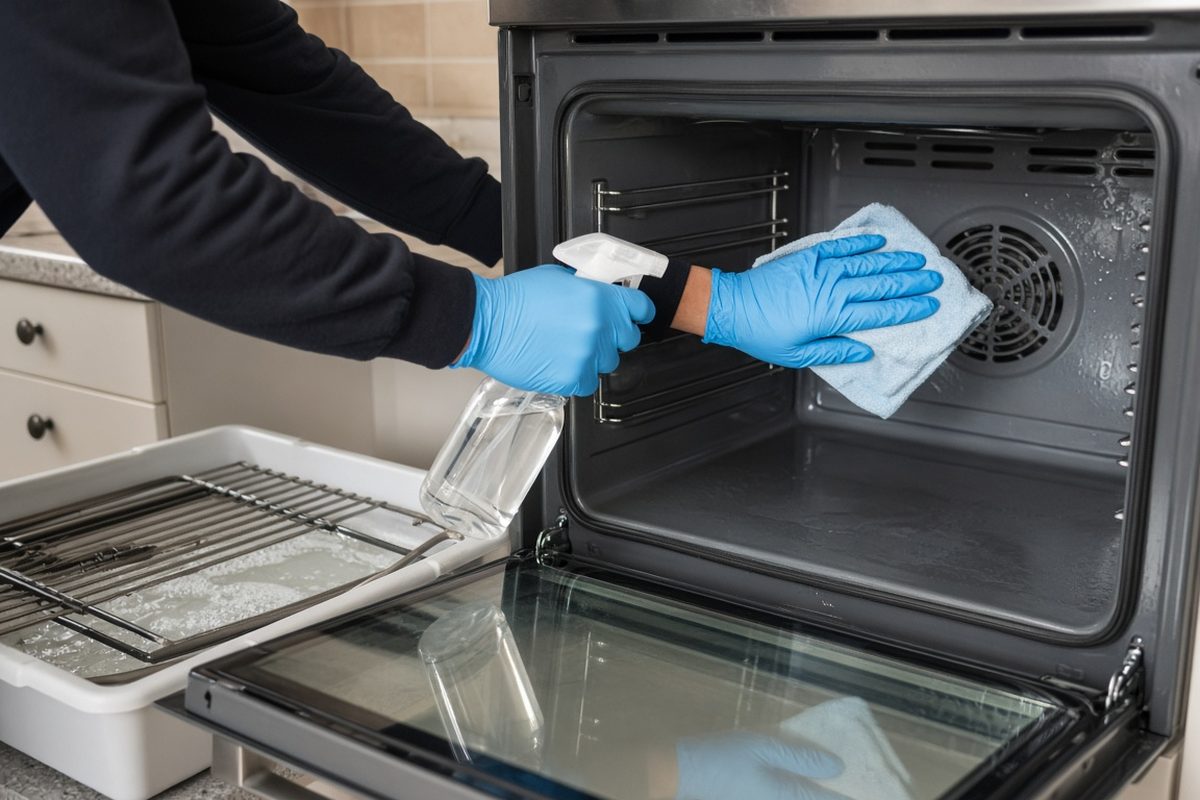
The cooker hood and extractor fans are some of the most overlooked items in an end of tenancy clean. They sit above eye level, nobody looks at them closely during a tenancy, and the grease and dust build up slowly. But inventory clerks often check them, and a sticky, clogged filter is easy to photograph. This guide explains how to clean a cooker hood and its filters, how to clean bathroom and kitchen extractor fans, and what to report to the landlord rather than trying to fix.
Why Hoods and Fans Get So Dirty
A cooker hood draws in steam, smoke and tiny droplets of fat every time you cook. The metal mesh filters trap the grease, which builds up into a thick, sticky layer. Dust from the kitchen sticks to the grease on the outside of the hood too, especially on the top and the underside.
Bathroom extractor fans pull in damp air, dust, hair and fluff, which collect on the fan cover and grille. In older Oxford homes, where bathrooms are often small with limited windows, the fan works hard and gets dirty quickly.
Clean hoods and fans are not just about appearance. A clogged filter or fan works less efficiently, meaning more condensation and more grease on kitchen surfaces.
Safety First
Before cleaning any hood or fan:
- Switch it off at the switch and, if possible, at the isolator or the plug
- Let the hob cool completely before working above it
- Use a stable step stool or ladder, not a chair
- Do not take the fan apart beyond removing the filters or covers designed to come off
- Do not get water inside the motor, lights or switches
- Wear gloves, as grease and degreasers can irritate skin
Cleaning the Cooker Hood
1. Remove the filters
Most hoods have metal mesh filters that clip out from underneath. Some also have a charcoal filter behind them. Check the manual if you are unsure how they come out.
2. Clean metal grease filters
Metal filters can usually be cleaned in one of these ways:
- Soak: fill a sink or large container with very hot water and a degreaser or a generous squirt of washing-up liquid. Add a little bicarbonate of soda if you like. Soak for 15 to 30 minutes, then scrub gently with a soft brush and rinse.
- Dishwasher: many metal filters are dishwasher safe. Check the manual and run a hot cycle on their own.
- Degreaser spray: for heavily clogged filters, spray with a kitchen degreaser, leave for the time on the label, scrub and rinse.
Let the filters dry completely before refitting them.
3. Charcoal filters
Charcoal (carbon) filters cannot be washed. They need replacing at intervals set by the manufacturer. If yours is old and smells, tell the landlord or check your tenancy agreement for who is responsible. A replacement is usually inexpensive.
4. Clean the underside
With the filters out, wipe the underside of the hood with a degreaser and a microfibre cloth. Pay attention to the edges and the area around the lights. Do not spray directly into the motor housing.
5. Clean the outside
Wipe the front, sides and top of the hood. Stainless steel hoods should be cleaned with a suitable stainless steel cleaner or warm soapy water, wiping in the direction of the grain, then buffed dry. Glass hoods can be cleaned with a glass cleaner. Avoid abrasive pads, which scratch.
The top of the hood and the chimney section collect a layer of greasy dust that is easy to miss. Clerks with a torch will see it.
6. Clean the lights and controls
Wipe light covers with a damp cloth. If bulbs have failed, note it for the landlord, or replace them if your tenancy requires it. Wipe buttons and controls with a barely damp cloth, never wet.
7. Refit and test
Refit the dry filters, switch the power back on and test the fan and lights.
Cleaning Bathroom Extractor Fans
- Switch off at the isolator if there is one.
- Remove the cover if it is designed to come off. Many unclip or twist off; others are held by a screw.
- Wash the cover in warm soapy water, rinse and dry.
- Vacuum the fan grille and the area around it with a brush attachment.
- Wipe the surrounding ceiling or wall with a damp cloth.
- Refit the cover once dry.
If the cover is fixed, just vacuum and wipe it in place. Do not push water or cloths into the fan. If the fan does not work, or is very noisy, report it to the landlord. Working ventilation in bathrooms is important, and repairs are usually the landlord's responsibility.
Kitchen Wall and Window Fans
Some kitchens have a separate extractor fan in the wall or window, as well as or instead of a cooker hood. Clean these in the same way as a bathroom fan: switch off, remove the cover if possible, wash it, vacuum the grille and wipe around it. Kitchen fans are greasier, so use a degreaser on the cover.
The Wall and Cupboards Around the Hood
Grease does not stay in the hood. Check and clean:
- The splashback and tiles behind the hob
- The wall above the hood
- The sides of wall cupboards next to the hood
- The underside of the cupboards on either side
- The ceiling directly above the hood
These areas are often noted in check-out reports.
How Often to Clean
To avoid a big job at the end of the tenancy:
- Clean metal filters every one to three months, depending on how much you cook
- Wipe the outside of the hood weekly
- Clean bathroom fan covers every few months
- Replace charcoal filters as the manufacturer recommends
In a busy student house kitchen, monthly filter cleaning keeps grease under control.
What to Report to the Landlord
Report, rather than fix:
- A fan or hood that does not work, or makes unusual noises
- Lights in the hood that have failed, if the tenancy does not make you responsible
- Damaged filters or covers
- Signs of water coming through a fan or vent
- Black spotting around a bathroom fan, which may suggest the fan is not working well enough
Ventilation problems can lead to condensation and black spotting. Our guide to condensation and black spots on windows explains more.
What Professional Cleaners Do
A professional end of tenancy clean should include:
- Removing and degreasing metal hood filters
- Cleaning the hood inside, outside and on top
- Cleaning the splashback and surrounding surfaces
- Cleaning bathroom and kitchen extractor fan covers where they can be safely removed
Our kitchen and bathroom deep cleaning and end of tenancy oven cleaning services include the cooker hood. See our end of tenancy cleaning checklist for the full list.
Types of Cooker Hood
Knowing which type of hood you have helps you clean it properly:
- Visor or slimline hoods sit under a wall cupboard. They usually have one or two flat metal filters and sometimes a charcoal filter. The underside and the front edge collect the most grease.
- Chimney hoods have a tall stainless steel or glass chimney above the canopy. The top of the canopy and the chimney collect greasy dust, and the filters are usually large baffle or mesh panels.
- Integrated or telescopic hoods are built into a cupboard and pull out when in use. The pull-out front and the filters underneath need cleaning.
- Downdraft or hob-integrated extractors are less common in rentals, but found in some newer flats. Follow the manual carefully, as the filters and grease traps sit inside the worktop.
- Island hoods hang from the ceiling above an island hob and collect grease on all sides.
Baffle filters, made of angled metal strips, are heavier than mesh filters but clean in the same way and usually go in the dishwasher.
Dealing With Very Heavy Grease
After a long tenancy in a busy kitchen, grease on the hood can be thick, dark and almost tar-like. To deal with it:
- Warm the grease slightly by running the hood light for a few minutes, or by wiping with a cloth soaked in very hot water. Warm grease is softer.
- Apply a kitchen degreaser and leave it for the time on the label.
- Use a plastic scraper to lift the thickest deposits, taking care not to scratch.
- Wipe with a microfibre cloth, rinse the cloth often and repeat.
- Finish with warm soapy water and dry.
Avoid caustic oven cleaner on hoods unless the manufacturer says it is suitable, as it can damage finishes, seals and printed controls.
Frequently Asked Questions
Can I put cooker hood filters in the dishwasher?
Many metal mesh filters are dishwasher safe. Check the manual first. Charcoal filters should never be washed.
How do I know if my hood has a charcoal filter?
If your hood recirculates air rather than venting outside, it probably has a charcoal filter behind the metal mesh filters. The manual will confirm.
What if the grease will not come off the filters?
Soak them again in very hot water with degreaser, or use a stronger degreaser following the label. Very old, damaged filters may need replacing.
Do I need to clean the top of the cooker hood?
Yes. The top collects greasy dust and is often checked at check-out, especially in kitchens with wall cupboards on either side.
Do you clean extractor fans in an end of tenancy clean?
Yes. We clean fan covers and grilles where they can be safely removed or reached, and we degrease cooker hood filters.