
The Professional Cleaning Standard Explained: What Inventory Clerks Mean by Each Level
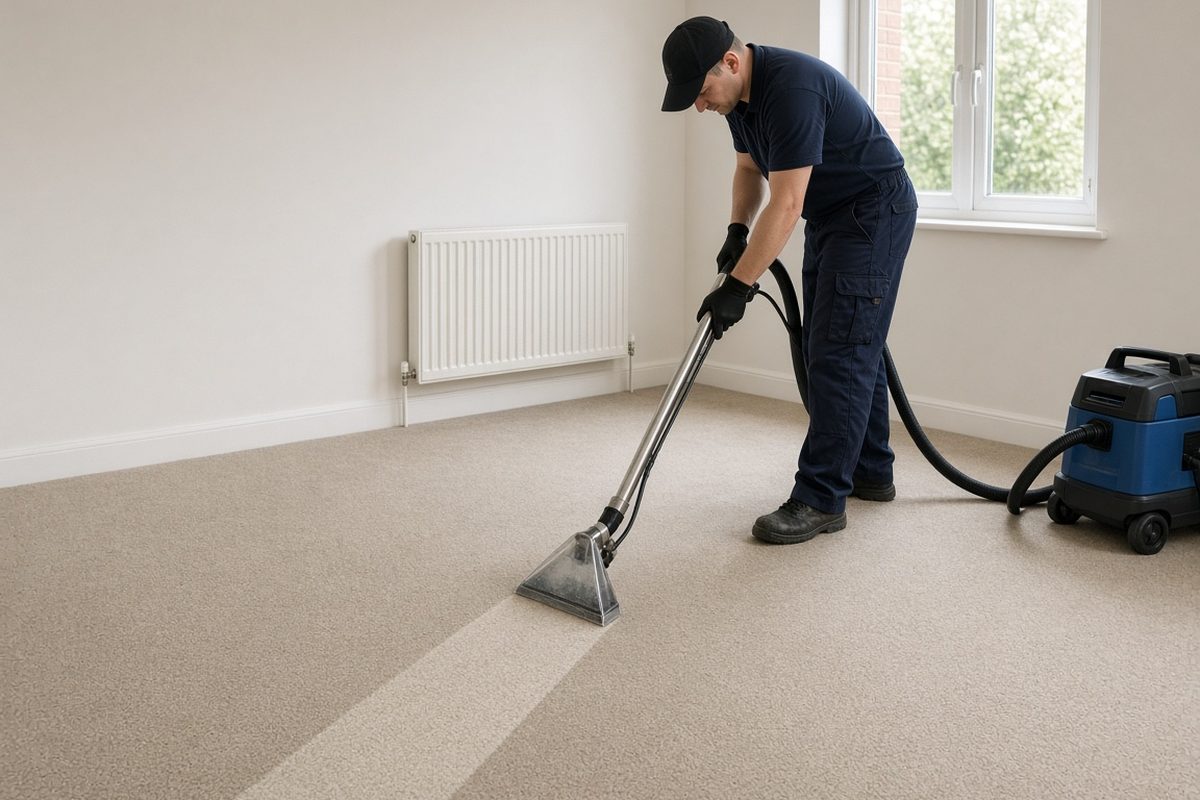
Tenancy agreements and inventory reports often refer to a "professional standard" of cleaning. Some tenants assume that means they must hire a professional company. Others think it is just a phrase. In fact, it is a description of how clean a property is, and it matters because your check-out is compared with your check-in. This guide explains what the common cleaning standards mean, how inventory clerks judge them, and what you need to do to meet the standard recorded at the start of your tenancy.
Why the Standard Matters
At the end of a tenancy, you must return the property in the same condition as at the start, allowing for fair wear and tear. The check-in inventory records that condition, including how clean the property was. If it says the property was "professionally cleaned", you will usually be expected to return it to a similar standard. If it says "domestically clean", the bar is lower.
The standard does not say who has to do the cleaning. In England, under the Tenant Fees Act, a landlord cannot require you to use or pay for a professional cleaner. You can clean yourself, as long as the result meets the standard.
The Common Standards
Different inventory companies use slightly different words, but most use a scale something like this:
Professionally cleaned
The highest standard. Every surface is free of dust, dirt, grease, limescale and marks, including inside appliances, cupboards and drawers. Glass is streak-free. Floors are clean to the edges and corners. Carpets are clean and free of stains that can be removed. It usually means the property was cleaned by a professional company, often just before check-in, and there may be an invoice.
Good domestic clean / Very clean
A high standard of cleaning, as a careful person would achieve with good products and time. Most surfaces are free of dust and marks, appliances are clean inside, and there are no obvious problems.
Domestically clean / Clean
A reasonable standard of cleaning, as you would expect in a well-kept home. Surfaces are clean and tidy, but there may be light dust in hard-to-reach places or minor marks.
Generally clean with exceptions
Mostly clean, but with specific items noted, such as "oven not clean" or "limescale to taps".
Light dust / Dusty
A visible layer of dust on some surfaces.
Not clean / Requires cleaning
Obvious dirt, grease, residue or debris that needs cleaning.
What Clerks Look For at Each Level
The difference between the top two levels is mostly in the details. A clerk checking for a professional standard will look at:
- The oven: no grease or carbon inside, including the roof, back wall, racks, door glass and seals
- The hob and extractor: no grease on the hob, pan supports, hood or filters
- The fridge and freezer: defrosted, clean inside, including seals and drawers
- Cupboards and drawers: clean inside, including corners, hinges and tops
- Limescale: none on taps, shower heads, screens or toilets
- Grout and sealant: clean, with no surface black spotting
- High surfaces: no dust on door tops, cupboard tops, light fittings, cornices or picture rails
- Skirting boards and doors: no dust or marks
- Switches and sockets: clean
- Windows: clean glass inside, frames, sills and tracks
- Floors: no dirt in corners or along edges; carpets vacuumed and free of removable stains
Our guide to the spots inventory clerks check first goes into more detail.
Is It Fair to Expect a Professional Standard?
If the property was genuinely professionally cleaned at check-in, and the inventory records that with clear evidence, it is reasonable to expect a similar standard at check-out, allowing for wear and tear.
But adjudicators look at the evidence, not just the words. If the check-in report says "professionally cleaned" but the photos show a dirty oven, the claim may not hold up. Equally, after a long tenancy, some items cannot be returned to brand-new condition: a carpet may have flattened, grout may have discoloured with age, and paint may have faded. That is wear and tear, not a cleaning failure.
Cleaning Clauses in Tenancy Agreements
Many tenancy agreements contain clauses about cleaning. Since the Tenant Fees Act came into force in 2019:
- A clause requiring you to pay for a professional clean is generally not enforceable
- A clause requiring you to use a particular cleaning company is generally not enforceable
- A clause requiring you to return the property clean, to the standard at check-in, is fine
Our guide to can a landlord charge for cleaning explains this in more detail, and our tenancy deposit cleaning rules page summarises the main points.
How to Meet the Standard Yourself
If you are cleaning yourself and the check-in standard is high:
- Read the inventory for every room. Note anything specific, such as "oven professionally cleaned" or "carpets professionally cleaned".
- Allow enough time. A professional standard takes longer than most people expect.
- Use the right products: degreaser, oven cleaner, descaler and glass cleaner.
- Work to a checklist. Our end of tenancy cleaning checklist covers every item.
- Check in good light, especially taps, glass and the oven.
- Take dated photos of every room.
If the inventory says carpets were professionally cleaned, you may be expected to have them cleaned again, or at least returned to a similar condition. If you hire a machine, follow the instructions carefully. See our guide to carpet shampoo vs hot water extraction.
When a Professional Helps
Booking a professional end of tenancy clean is not required, but it can help when:
- The check-in standard is "professionally cleaned"
- The property is large or heavily used
- The oven, carpets or bathrooms need specialist work
- You are short of time
A professional company should work to a written checklist, provide an invoice, and offer a re-clean if the agent finds any items not cleaned. We offer a 72-hour re-clean promise on checklist items.
How Adjudicators See It
If a cleaning deduction goes to the deposit scheme's dispute service, the adjudicator will look at:
- The cleaning standard at check-in, and the evidence for it
- The cleaning standard at check-out, and the evidence for it
- The length of the tenancy and expected wear and tear
- Whether the proposed cost is reasonable and proportionate
The landlord must show that the property was left less clean than at the start. The words "professional standard" on their own are not enough. Our guide to tenancy deposit schemes explained explains the process.
Examples From Real Check-Outs
To make the standards more concrete, here is how the same kitchen might be described at different levels:
- Professionally cleaned: "Oven, hob and extractor clean throughout, no grease or carbon. Fridge freezer defrosted and clean, seals clean. All cupboards and drawers clean inside and out. Tiles, worktops and sink clean, taps free of limescale. Floor clean to edges."
- Domestically clean: "Kitchen generally clean. Light grease to extractor filters. Light marks to oven door glass. Cupboards clean inside. Light dust to cupboard tops."
- Generally clean with exceptions: "Kitchen clean except oven (heavy grease to cavity and racks) and limescale to tap base."
- Not clean: "Grease to hob, splashback and extractor. Crumbs and food residue in cupboards and drawers. Oven heavily soiled. Floor dirty."
If your check-in described the kitchen as "domestically clean", a check-out that matches the second example is very similar to the start, and a deduction would be hard to justify. If your check-in matched the first example and your check-out matches the third, a deduction for the oven and limescale is likely.
Standards After a Long Tenancy
The longer the tenancy, the more allowance should be made for age. After three or four years:
- Grout may have greyed even with regular cleaning
- Sealant may have discoloured and need replacing
- Carpets will show traffic wear
- Paint will have faded or picked up small marks
- Appliances may have small scratches from normal use
None of these is a cleaning failure. A fair check-out will note them as wear and tear. Cleaning still matters, though: a long tenancy does not excuse grease in the oven or dust on the skirting boards.
Frequently Asked Questions
Does "professionally cleaned" mean I must hire a professional?
No. It describes the standard, not who does the cleaning. You can clean yourself, as long as the result meets the standard recorded at check-in.
What is the difference between "domestically clean" and "professionally cleaned"?
Domestically clean is a good everyday standard. Professionally cleaned is a higher, more detailed standard, with appliances, cupboards, limescale and high surfaces all fully clean.
Can my landlord insist on a professional standard if the check-in report did not say so?
No. The standard is set by the check-in report. You only need to return the property to the condition recorded then.
Will my receipt from a professional cleaner protect my deposit?
It helps as evidence, but the clerk will still inspect the property. Make sure the clean covers everything on the inventory.
Can carpets be returned to a professional standard?
Usually, if they were professionally cleaned at check-in and have no permanent stains or damage. Normal wear is not something you can be charged for.