
Can a Landlord Charge for Cleaning? What the Rules in England Actually Allow
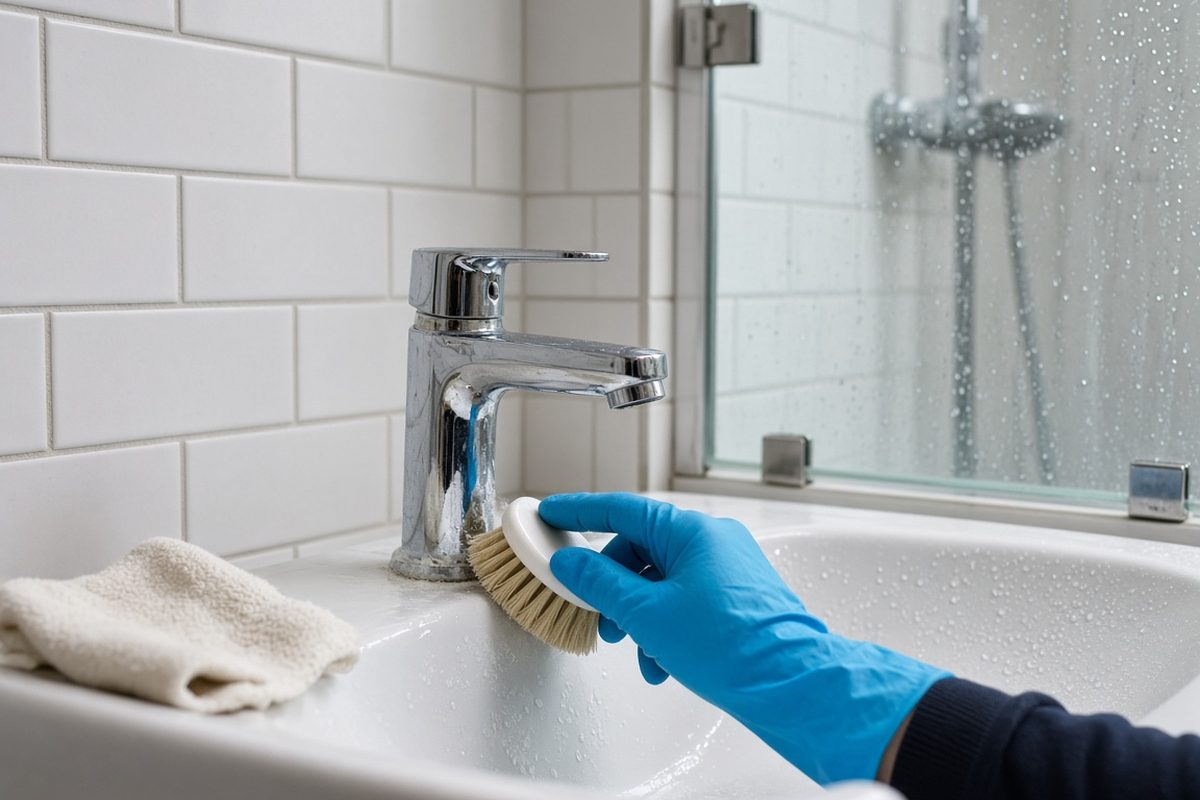
Cleaning is the most common reason for deposit deductions in England, and one of the most common causes of disputes. Tenants are often told that a professional clean is compulsory, or receive a large cleaning charge weeks after moving out with little explanation. Landlords, for their part, can face a property left in a state that takes days to put right. The rules sit between those two positions. This guide explains when a landlord can charge for cleaning, what they cannot do, what counts as a reasonable charge and how to challenge one. It applies to private assured tenancies in England, which since 1 May 2026 are mostly assured periodic tenancies under the Renters' Rights Act, and covers most private rentals in Oxford.
The Basic Rule
At the end of a tenancy, you must return the property in the same condition as at the start, allowing for fair wear and tear. That includes cleanliness. If the property was clean when you moved in and is dirty when you leave, the landlord can claim a reasonable amount from your deposit to clean it.
The key words are "same condition as at the start". The standard is set by the condition at check-in, usually recorded in an inventory or schedule of condition, not by what the landlord would like. If the property was only "domestically clean" at the start, you do not have to return it "professionally cleaned".
What the Tenant Fees Act Bans
The Tenant Fees Act 2019 limits the payments landlords and letting agents in England can require from tenants. Under the Act:
- A landlord or agent cannot require you to pay for a professional clean as a condition of the tenancy
- They cannot require you to use a particular cleaning company
- A tenancy clause that requires you to pay for professional cleaning is usually not binding
But the Act does not stop a landlord from claiming from the deposit if you leave the property dirty. It just means the claim must be for the actual cleaning needed to return it to its check-in condition, not a fixed fee you agreed to in advance.
The GOV.UK guidance on the Tenant Fees Act and the Act itself set this out.
Fair Wear and Tear vs Dirt
Fair wear and tear is the natural deterioration of a property through normal use. A landlord cannot charge for it. Common examples:
- Carpets flattened in walkways
- Small scuffs and marks on paintwork from normal living
- Faded curtains or blinds from sunlight
- Minor wear on kitchen worktops
Dirt is not wear and tear. A landlord can charge for:
- Grease in the oven and on the hob
- Limescale on taps, showers and toilets
- Dust on skirting boards and high ledges
- Food and crumbs in cupboards and the fridge
- Stains on carpets that can be cleaned
- Rubbish and belongings left behind
Damage, such as burns, bleach marks and broken fittings, is different again. It can be charged for, but the claim must take into account the age and condition of the item. Our guide to tenant rights and cleaning deductions explains the difference in more detail.
What Is a Reasonable Charge?
A landlord can only claim a reasonable amount. That usually means:
- Proportionate: the charge should reflect the cleaning actually needed. If only the oven is dirty, charging for a full professional clean of the whole property is unlikely to be reasonable.
- Evidenced: the landlord should be able to show the difference between check-in and check-out, usually with reports and photos.
- Costed: ideally backed by an invoice or quote from a cleaner, or a clear calculation of time and rate if the landlord cleaned themselves.
- Not betterment: the landlord should not end up with a property cleaner than it was at the start at your expense.
Deposit scheme adjudicators look at these points when deciding disputes.
What Evidence the Landlord Needs
In a dispute, the burden of proof is on the landlord to show that a deduction is justified. Adjudicators usually look for:
- A check-in inventory, signed or accepted by the tenant, describing the condition and cleanliness of each room
- A check-out report, describing the condition at the end, ideally by the same clerk using the same format
- Photos or video from both dates
- Invoices or quotes for the cleaning
- Correspondence between landlord and tenant
Without a check-in inventory, it is very hard for a landlord to prove that the property was cleaner at the start. That is why the check-in report matters so much. See our guide to check-in vs check-out inventories.
Your Deposit Must Be Protected
If you rent privately in England on an assured tenancy (most private tenancies became assured periodic tenancies on 1 May 2026), your landlord must protect your deposit in a government-approved scheme within 30 days of receiving it, and give you certain information about it. The three schemes are:
Each scheme offers a free alternative dispute resolution service. The GOV.UK tenancy deposit protection pages explain your rights, including what happens if your deposit was not protected.
How to Challenge a Cleaning Charge
If you disagree with a cleaning deduction:
- Ask for an itemised breakdown of the charge and the evidence: check-in and check-out reports, photos and invoices.
- Compare the reports item by item. Is the difference real? Is it dirt or wear and tear? Is the charge proportionate?
- Gather your own evidence: your photos from moving in and moving out, any cleaning receipts and messages.
- Write to the landlord or agent, explaining clearly which deductions you dispute and why. Many disputes are settled at this stage.
- Raise a dispute with the deposit scheme if you cannot agree. The scheme will ask both sides for evidence and an adjudicator will decide.
Citizens Advice has free guidance on getting your deposit back. Our guide to deposit disputes over cleaning explains the process step by step.
Shared Houses and HMOs
In a joint tenancy, the deposit is usually held for all the tenants together, and a cleaning deduction comes out of the whole deposit. It is up to the tenants to agree among themselves how to share it.
Most shared houses in Oxford are houses in multiple occupation (HMOs), and many need a licence from Oxford City Council. HMO licensing covers things like safety, amenities and management, but it does not change the basic rule on cleaning and deposits.
How to Avoid a Cleaning Charge
The best way to avoid a dispute is to avoid the deduction in the first place:
- Check the inventory at the start, and report anything wrong in writing with photos
- Clean regularly during the tenancy, especially the oven and bathroom
- Read the inventory again before you leave, and clean to that standard
- Focus on the oven, kitchen, bathrooms and carpets, where most deductions come from
- Take dated photos after the final clean
- Attend the check-out if you can
- Keep receipts for any professional cleaning
Our end of tenancy cleaning checklist lists everything to cover.
If You Book a Professional Clean
You do not have to use a professional cleaner, but many tenants do, because it saves time and gives evidence. If you do:
- Choose a company that cleans to a written checklist
- Ask for an invoice listing what was cleaned
- Ask for photos of the finished property
- Check whether they offer a re-clean if the agent finds a problem. We offer a 72-hour re-clean promise on checklist items.
Common Examples
A few examples show how the rules work in practice:
- The oven was spotless at check-in and greasy at check-out. A reasonable charge for a professional oven clean is likely to be justified.
- The check-in report says "domestically clean" and the landlord charges for a professional clean of the whole house. The tenant only needs to return it to a domestic standard, so a full professional charge may be reduced.
- The carpets are worn in the hallway. That is wear and tear; no charge.
- The carpet has a red wine stain that was not there at check-in. A reasonable charge for stain treatment, or a proportionate contribution towards replacement if it cannot be removed, may be justified.
- The tenant left bags of rubbish in the garden. The landlord can claim a reasonable cost for removal.
Frequently Asked Questions
Can my landlord insist I use their cleaning company?
No. In England, under the Tenant Fees Act, you cannot be required to use or pay for a particular cleaning company as a condition of the tenancy.
Can my landlord charge a fixed cleaning fee?
A fixed fee agreed in advance as a condition of the tenancy is generally banned. A landlord can only claim a reasonable amount from the deposit for the cleaning actually needed.
What if there was no check-in inventory?
Without a check-in inventory, it is much harder for the landlord to prove the property was cleaner at the start. Deposit scheme adjudicators often find in favour of the tenant in that situation.
How long does my landlord have to return my deposit?
Once you and your landlord agree how much will be returned, the deposit should be returned within 10 days. If you disagree, the scheme's dispute process applies.
Can I be charged for cleaning carpets if they are just worn?
No. Wear in walkways and flattened pile are fair wear and tear. You can only be charged for cleaning dirt and stains that were not there at check-in.