
Cleaning Walls and Ceilings Before You Move Out: Marks, Scuffs, Grease and Cobwebs
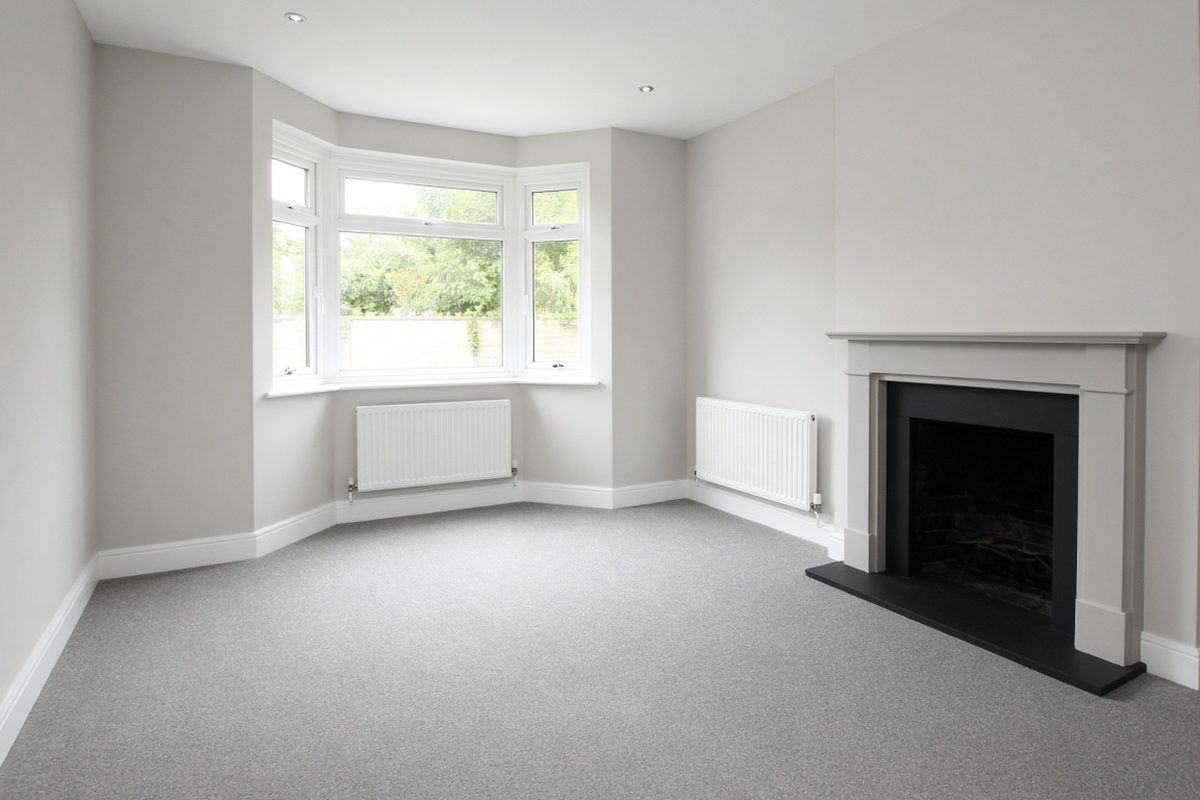
Walls take a lot of punishment during a tenancy. Furniture rubs against them, bags and bikes knock them in hallways, children draw on them, fingers leave marks around switches, cooking leaves a film of grease in the kitchen and steam leaves marks in the bathroom. At check-out, the clerk compares the walls with the check-in report, and marks are a common note. Some are fair wear and tear; others may lead to a cleaning or redecoration charge. This guide explains how to clean walls and ceilings safely, which marks usually come off, what to avoid and when a mark is better left alone.
Wear and Tear or Something More?
Before cleaning, it helps to know which marks matter. Generally:
Usually fair wear and tear:
- Light scuffs from furniture
- Small marks from normal daily life
- Faded paint from sunlight
- A few small picture hook holes, depending on the tenancy agreement
- Light marks around light switches after a long tenancy
Usually chargeable if not cleaned or repaired:
- Large or numerous marks
- Drawings and writing
- Grease splashes on kitchen walls
- Damage from sticky tack, tape or adhesive hooks that removed paint
- Holes from screws or nails where the tenancy did not allow them
- Paint in a different colour without permission
The length of the tenancy matters. More marks are expected after five years than after one. Our guide to tenant rights and cleaning deductions explains fair wear and tear in more detail.
Know Your Paint
The type of paint affects how you clean:
- Matt emulsion: the most common finish on walls and ceilings in rentals. It is the most delicate. Rubbing can create shiny patches or remove paint.
- Silk or satin emulsion: has a slight sheen and is more washable.
- Kitchen and bathroom paint: usually more washable and resistant to steam and grease.
- Gloss and eggshell: used on woodwork, such as doors, frames and skirting. Tough and easy to wipe.
- Limewash and distemper: found in some older or listed homes. Can come off on a damp cloth. See our guide to cleaning listed buildings.
If you are not sure, test any cleaning method on a small hidden area, such as behind a door.
What You Need
- Soft microfibre cloths or a soft sponge
- A bucket of warm water with a few drops of washing-up liquid
- A second bucket of clean water for rinsing
- A vacuum with a soft brush attachment
- An extendable duster or a flat mop for ceilings
- A step ladder
- Optional: a melamine sponge (magic eraser), used with great care
Dusting Walls and Ceilings
Start by removing dust and cobwebs. Wet cleaning a dusty wall just smears the dust.
- Ceilings: use an extendable duster or a flat mop with a dry microfibre pad. Pay attention to corners and around light fittings.
- Cornices and coving: use a soft brush or vacuum attachment.
- Walls: dust from top to bottom with a dry microfibre cloth or a flat mop.
- Picture rails and dado rails: wipe along the top.
Cleaning Marks on Matt Emulsion
Matt paint is easily damaged, so be gentle:
- Dampen a soft cloth with warm soapy water and wring it out well.
- Dab or gently wipe the mark, without pressing hard.
- Rinse with a cloth dampened in clean water.
- Pat dry.
If the mark does not come off, stop. Rubbing harder usually leaves a shiny patch or removes paint, which looks worse than the original mark. A small touch-up with the original paint, if the landlord has it and agrees, may be the better solution.
Melamine sponges can remove stubborn marks, but they are abrasive and can dull or remove matt paint. Test in a hidden area, use very light pressure and only on small marks.
Cleaning Silk, Satin and Washable Paint
These finishes are more forgiving. Use a damp cloth with warm soapy water, wipe gently and rinse. For more stubborn marks, a mild all-purpose cleaner can be used, testing first.
Common Marks and How to Treat Them
Scuffs from furniture and shoes
Try a damp cloth first. On washable paint, a little washing-up liquid usually works. A clean white eraser can lift light scuffs on matt paint.
Fingerprints around switches and door handles
Wipe with a damp cloth and a drop of washing-up liquid. Clean the switch plates at the same time with a barely damp cloth, never wet. See our guide to cleaning light fittings and switches.
Grease on kitchen walls
Use warm water with washing-up liquid, or a kitchen degreaser suitable for painted walls, testing first. Work from the bottom up to avoid streaks, then rinse.
Crayon and pencil
Try a clean eraser for pencil. For crayon, a damp cloth with washing-up liquid often works on washable paint. On matt paint, be very gentle.
Felt-tip pen
Washable felt-tip usually comes off with soapy water. Permanent marker is harder and may need to be painted over.
Sticky tack and tape marks
See our guide to removing sticky tack and wall marks.
Black spotting
On walls and ceilings, especially in bathrooms and cold corners, black spotting is caused by condensation. Clean with a suitable product, following the label, and ventilate well. See our guide to condensation and black spots on windows.
Water stains on ceilings
Brown tide marks from leaks do not usually come off with cleaning. They need a stain-blocking primer and repainting, which is the landlord's job if the leak was not your fault. See our guide to cleaning after a leak or water damage.
Nicotine and smoke
If smoking was allowed, walls and ceilings may have a yellow film. Washing with warm water and a degreaser can help, but heavy staining usually needs a stain-blocking paint. If smoking was not allowed, the landlord may claim for redecoration.
Kitchen and Bathroom Walls
Kitchen walls and ceilings collect grease, especially near the hob and above the extractor. Bathroom walls and ceilings collect steam marks and, sometimes, black spotting. Both are commonly checked at check-out. Clean with warm soapy water or a suitable cleaner, rinse and dry.
Tiled walls need different treatment. See our guide to bathroom limescale and sealant.
Woodwork
Doors, door frames, skirting boards and window frames are usually painted with gloss or eggshell, which is easier to clean. Wipe with warm soapy water, paying attention to:
- The top edges of doors and frames, which collect dust
- Around handles, which collect fingerprints
- The bottom of doors, which collect scuffs
See our guide to cleaning hard floors and skirting boards.
Holes and Repairs
Small picture hook holes may be acceptable depending on your tenancy. If you have put up shelves or screws without permission, or the tenancy says you must make good, you may need to fill holes before you leave. Ask the landlord first. Badly filled and unpainted holes can look worse than the holes themselves.
Do not repaint walls without the landlord's permission. A slightly different shade can mean the whole wall needs repainting.
Ceilings
Ceilings mainly need dusting and cobweb removal. Avoid wet cleaning unless there is a specific mark, because ceilings are often matt and easily marked. In kitchens, check the ceiling above the hob for grease. In bathrooms, check for black spotting.
Safety
- Use a stable step ladder, not a chair
- Keep water away from light fittings and sockets
- Switch off lights before cleaning near them
- Do not overreach; move the ladder instead
Professional Help
A professional end of tenancy clean includes dusting walls and ceilings, removing cobwebs and spot-cleaning marks where it is safe to do so without damaging the paint. Repainting and repairs are not part of a cleaning service. Our end of tenancy cleaning checklist explains what is included.
Walls in Shared Houses
Walls in shared houses get more knocks and marks than most, especially in hallways, on stairs and in the kitchen. Common problem spots include:
- Hallway walls where bikes and bags are stored
- Stair walls where furniture was carried up and down
- Kitchen walls behind the bin and around the hob
- Bedroom walls where posters were stuck up
- Living room walls behind sofas
Agree who will check and clean the shared walls before you move out, and take photos once you have finished.
Frequently Asked Questions
Will I be charged for scuffs on the walls?
Light scuffs from normal living are usually fair wear and tear. Large or numerous marks may lead to a cleaning or redecoration charge.
Can I use a magic eraser on painted walls?
Only with care. Melamine sponges are abrasive and can dull or remove matt paint. Test first in a hidden spot and use very light pressure.
Should I repaint the walls before I leave?
Only with the landlord's permission. A slightly different shade or poor finish can lead to a bigger charge than the original marks.
How do I clean grease off kitchen walls?
Use warm water with washing-up liquid or a degreaser suitable for painted walls, testing first. Work from the bottom up and rinse.
Do you clean walls in an end of tenancy clean?
We dust walls and ceilings and spot-clean marks where it can be done without damaging the paint. We do not repaint or repair.