
Cleaning Before Moving Into a New Home: What to Do Before the Boxes Arrive
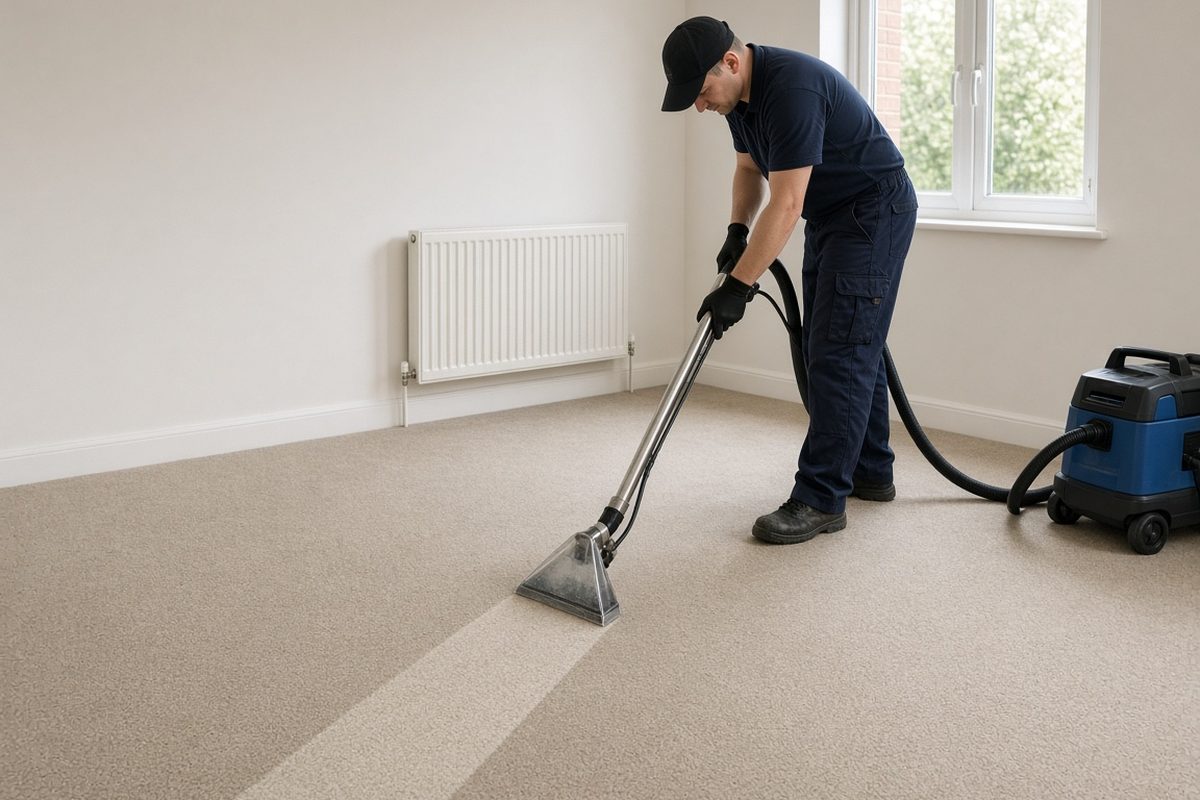
Moving day is the one time a home is completely empty, and that makes it the best chance you will ever have to clean it properly. Once the sofa is in place, the wardrobes are full and the kitchen cupboards are stocked, the hidden corners stay hidden for years. A clean before you move in also gives you a fresh start, removes the traces of the previous occupants, and, if you are renting, creates a clear record of the condition the property was in when you arrived. This guide explains what to clean, in what order, and how to protect yourself if the property is not as clean as it should be.
Why Clean Before Moving In
Even when the previous tenant or owner has cleaned, there is usually more to do. Cleans before a move-out are often rushed, and they are aimed at the check-out inspection, not at someone actually living there. Inside cupboards may be wiped but not washed. The fridge may be clean but smell. The extractor filter may be greasy. Behind the cooker may never have been touched.
In a new-build home, the problem is different. Builders' dust gets everywhere: in cupboards, on top of door frames, inside window tracks, in extractor fans and under the skirting. It keeps settling for weeks after the builders leave. A thorough clean before you move in removes most of it, and saves you from wiping fine grey dust off everything you own.
There are three good reasons to do it before the boxes arrive:
- Access. You can reach every surface, every cupboard and every floor edge.
- Hygiene. You know the kitchen and bathroom are clean before you use them, which matters especially with young children.
- Evidence. If you are a tenant, you can compare the property with the check-in inventory before your belongings hide anything.
For Tenants: Check the Inventory First
If you are renting, your landlord or agent should give you a check-in inventory or schedule of condition. It records the condition and cleanliness of every room, often with photos. At the end of your tenancy, the property will be compared with this document.
Before you clean, go through the inventory room by room. If anything is dirtier than described, or damaged and not mentioned, take dated photos and send them to the agent in writing, usually within the first week or as the inventory instructions say. Do this before you clean, so that you have a record of what it was like.
Then clean. That way, you are not paying with your time, or later your deposit, for someone else's dirt. Our guide to the check-in vs check-out inventory explains why this matters so much.
If the property is described as "professionally cleaned" and it clearly is not, ask the agent to arrange a clean before you move in. Many landlords will, because a clean start makes the next check-out easier for everyone.
The Order to Clean In
Work from top to bottom and from the back of the property to the front door, so that you are not walking dust and dirt into rooms you have already finished.
- Bathrooms: descale taps, shower and screen; clean the toilet thoroughly; wash tiles and the floor
- Kitchen: inside every cupboard and drawer; worktops and splashbacks; inside and outside of the oven, hob and extractor; inside the fridge and freezer; inside the dishwasher and washing machine
- Bedrooms: inside wardrobes and drawers; window sills and frames; skirting boards; floors
- Living areas: high ledges, doors and frames, radiators, switches and sockets, windows and floors
- Hall and stairs: banisters, skirting, door frames, the front door and floors last
For a typical two or three-bedroom home, this takes a full day for one person or a few hours for a professional team. Our move-in and pre-tenancy cleaning service covers all of it.
The Kitchen in Detail
The kitchen is the room that matters most for hygiene. Before you put any food or crockery away:
- Cupboards and drawers: vacuum crumbs, then wash inside with warm soapy water, including the shelves, the hinges and the top of each cupboard. Dry them before you put anything in.
- Oven and hob: even if they look clean, the previous occupant's grease may still be on the racks and the glass. Our guide to cleaning an oven works just as well at the start of a tenancy.
- Extractor: wash or replace the grease filter.
- Fridge and freezer: wash inside, including the seals, drawers and shelves. Leave the door open for an hour to air before switching on.
- Dishwasher: remove and clean the filter, then run an empty hot cycle with a dishwasher cleaner.
- Washing machine: clean the detergent drawer and the door seal, then run an empty hot wash.
- Behind and under appliances: if freestanding appliances can be moved safely, clean behind and under them. Our guide to hidden dirt behind appliances shows what to expect.
- Sink and taps: descale the taps, clean the plughole and overflow, and run hot water through the drain.
Bathrooms in Detail
Use your own products and cloths, and clean everything as if you were the first person ever to use it:
- Descale taps, showerheads and screens. Oxfordshire's hard water means there is almost always some scale.
- Clean the toilet thoroughly, including under the rim, the base and behind the pan, and the seat hinges.
- Check sealant around the bathtub and shower for black spotting. If it is there at the start, note it in your inventory comments.
- Clean the extractor fan cover, so that it works properly from day one.
- Clean the bathroom cabinet and mirror before you put anything in.
New-Build Homes
New-build homes, such as those at Barton Park in Oxford, or on the newer estates in Bicester, Didcot and Witney, need a slightly different approach. The main problem is fine dust and builders' residue:
- Dust: in cupboards, on door tops, inside window tracks, in vents and light fittings
- Paint and plaster spots: on floors, glass, sockets and switches
- Sticker residue: on windows, appliances and sanitaryware
- Grout haze: a cloudy film on new tiles
Remove dust first with a vacuum fitted with a fine filter, then wipe surfaces with a damp microfibre cloth. Paint spots on glass can be removed with a plastic scraper; on floors, test carefully first. Grout haze usually comes off with a dedicated haze remover, but follow the tile manufacturer's advice. Our after builders cleaning service and our guide to cleaning new-build flats in Oxford go into more detail.
Carpets, Mattresses and Furniture
If carpets have been left by the previous occupants, consider having them cleaned before you move your furniture in. It is much easier and cheaper to clean an empty room. If the check-in inventory says the carpets were professionally cleaned, ask for the receipt; if they clearly were not, raise it with the agent.
In a furnished let, check the sofa, chairs and mattresses carefully. Stains or odours should be recorded on the inventory. If they are bad, ask the landlord to clean or replace them, or book upholstery cleaning and mattress cleaning yourself and keep the receipts.
For Buyers and Homeowners
If you are buying, the sellers are usually expected to leave the property in a reasonably clean and tidy state, but there is no detailed inventory, and the standard is much lower than at the end of a tenancy. Expect to clean thoroughly yourself, or book a move-in clean for the day you get the keys, before the removal van arrives.
Check the loft, garage, shed and garden for anything left behind, and contact your conveyancer quickly if the sellers have left rubbish or items that should have gone.
A Simple Move-In Checklist
| Task | Done |
|---|---|
| Compare the property with the check-in inventory; photograph any differences | |
| Send any issues to the agent in writing | |
| Clean bathrooms: descale, toilet, sealant, fan | |
| Clean kitchen: cupboards, oven, extractor, fridge, dishwasher, washing machine | |
| Clean inside wardrobes and drawers | |
| Dust high ledges, door tops and light fittings | |
| Clean windows, sills and tracks on the inside | |
| Wipe switches, sockets, door handles and skirting | |
| Vacuum and mop all floors, edges first | |
| Run water through all taps and showers |
Frequently Asked Questions
Should the landlord clean before I move in?
The landlord should provide the property in the condition described in the inventory. If it says "professionally cleaned", it should be. If it is not, raise it in writing and ask for it to be put right.
Do I have to clean to a professional standard when I leave if it was not clean when I moved in?
No. You only have to return the property to the same standard as at check-in, allowing for fair wear and tear. That is why recording the condition at the start is so important.
How soon should I report problems with the inventory?
Follow the instructions on your inventory, which usually give a time limit such as seven days. Report in writing, with dated photos.
Is a move-in clean worth paying for?
It is especially worth it in a new-build, after a long tenancy by the previous occupant, or if you are moving in with young children. A professional team can do in a few hours what might take you a whole day or weekend.
Can you clean a property on the day we get the keys?
Yes, if you book in advance. Cleaning before the removal van arrives is ideal. Tell us the address, the key collection time and whether the property is a new-build.